


 中文简体
中文简体 English
 한국어
한국어 日本語
日本語 русский
 Español
 عربى
عربىIndustry News
Home / News / Industry News / How to Choose the Right Power Isolation Device for Kitchen Appliances?
Dec 05, 2025
1. Select Based on Power and Operating Environment
Small kitchen appliances typically have a power range of 300W–1500W. Choosing an isolation device with a rated current of at least 10A and a rated voltage conforming to local standards (220V) ensures long-term stable operation.
For humid or oily kitchen environments, it is recommended to use a moisture-proof and oil-proof enclosed isolating switch to reduce the risk of short circuits caused by moisture or oil mist.
2. Use High-Reliability Materials
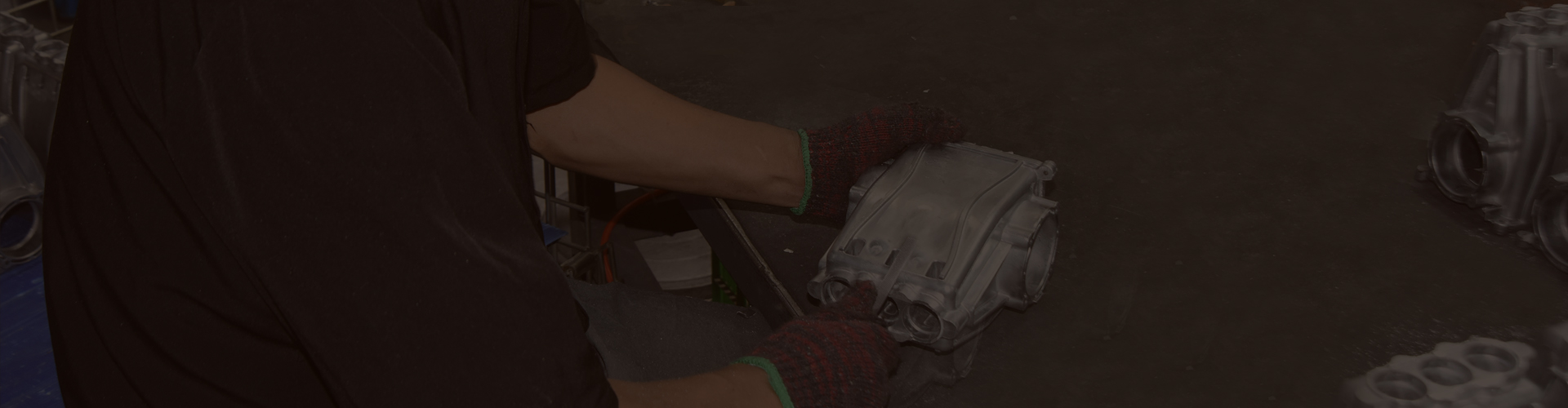
Ningbo Victor Electrical Technology Co., Ltd. has semi-solid magnesium alloy injection molding and aluminum alloy die casting workshops. The power isolation devices produced use high-strength magnesium alloy or aluminum alloy housings, offering advantages such as lightweight, corrosion resistance, and rapid heat dissipation, maintaining structural integrity even in high-temperature kitchen environments.
3. Comply with International Safety Certifications
Purchasing isolation devices with CE, UL, CB, and other certifications ensures that the product meets global safety standards. Victor's products have passed multiple safety tests during the R&D phase and comply with IEC 60335-2-15 safety standards for small kitchen appliances.
4. Intelligent Protection Functions
Modern isolation devices are equipped with overload protection, leakage protection, and automatic short-circuit reset functions. Victor's R&D team has achieved high-precision internal circuit layout using semi-solid magnesium alloy injection molding technology, resulting in faster response of protective components and improved overall safety.
Follow our social media to learn more about our updates


+86-13805815092

No. 11 Beihai Road, Xinqi Street, Beilun District, Ningbo City, Zhejiang Province, China
