


 中文简体
 English
 한국어
 日本語
 русский
 Español
 عربى
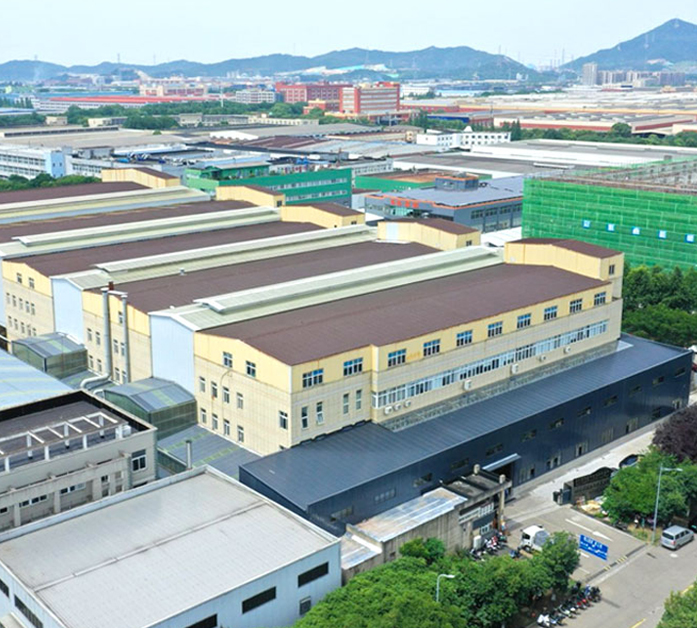
The company is specialized in the research and development and production of small kitchen appliances.
The company has semi-solid magnesium alloy injection molding, aluminum alloy die-casting molding workshops, and small kitchen appliances assembly workshops. Our company respects the corporate spirit of "pragmatic, hardworking, and responsible", and creates a good corporate environment with the business philosophy of honesty, win-win, and innovation. With a new management model and perfect magnesium alloy semi-solid injection molding technology. With our high-level management experience and mature technical strength, we will definitely become your ideal partner. Victor is a professional China OEM Steamer Pot Manufacturers and ODM Steamer Pot Factory, Welcome customers to visit, guide, communicate and cooperate!
The company's corporate culture is: "The enterprise is people-oriented, and employees are proud of the factory". It focuses on cultivating a harmonious atmosphere of unity, friendship, mutual trust, and strengthening group consciousness, so that employees can form a strong cohesion and centripetal force. Employees regard the enterprise as a community of shared destiny and their own work as an important part of achieving common goals. They keep pace with the entire enterprise to form a unified whole and realize common ideals and goals.
About Us
Ningbo Victor Electrical Technology Co., Ltd.
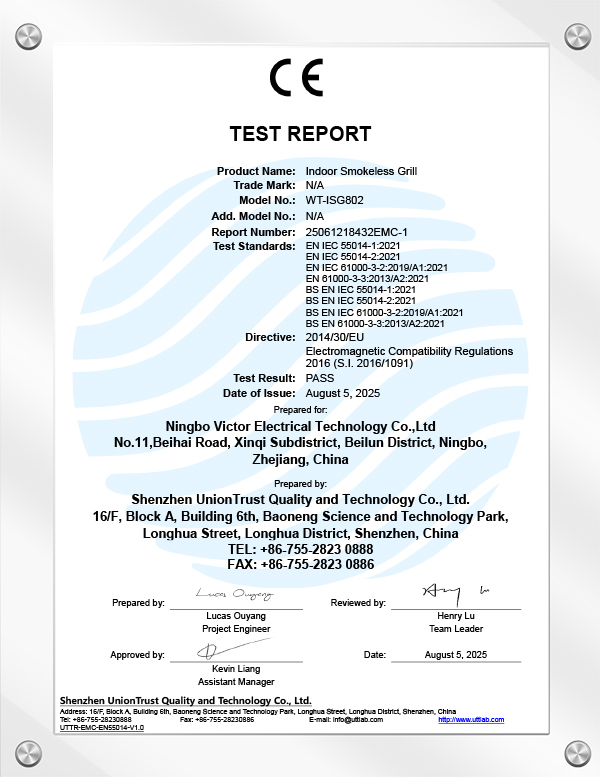
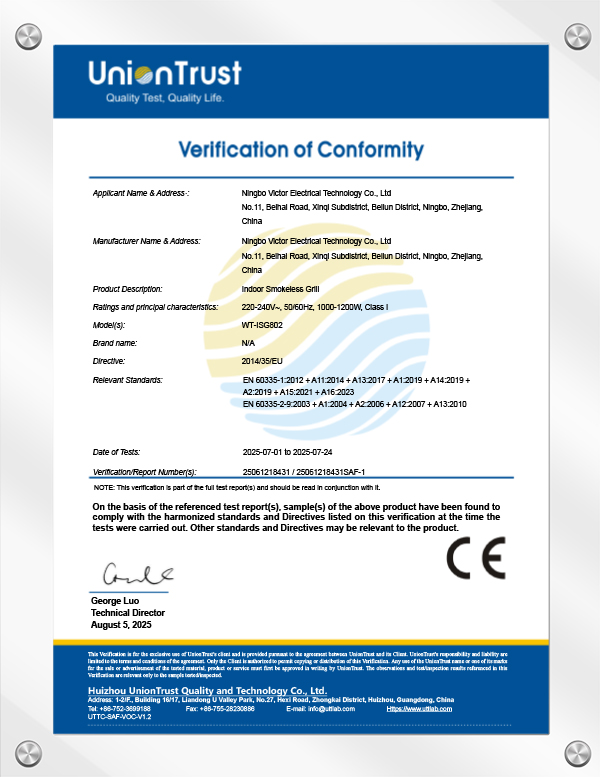
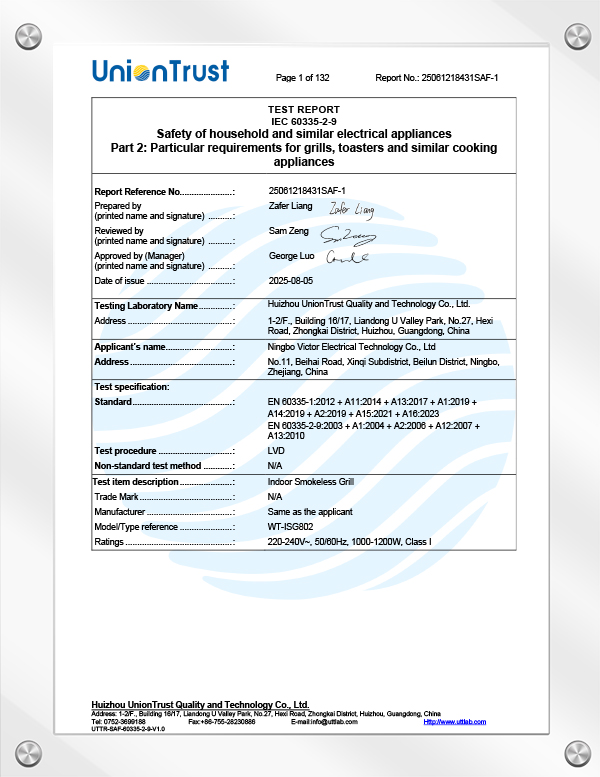
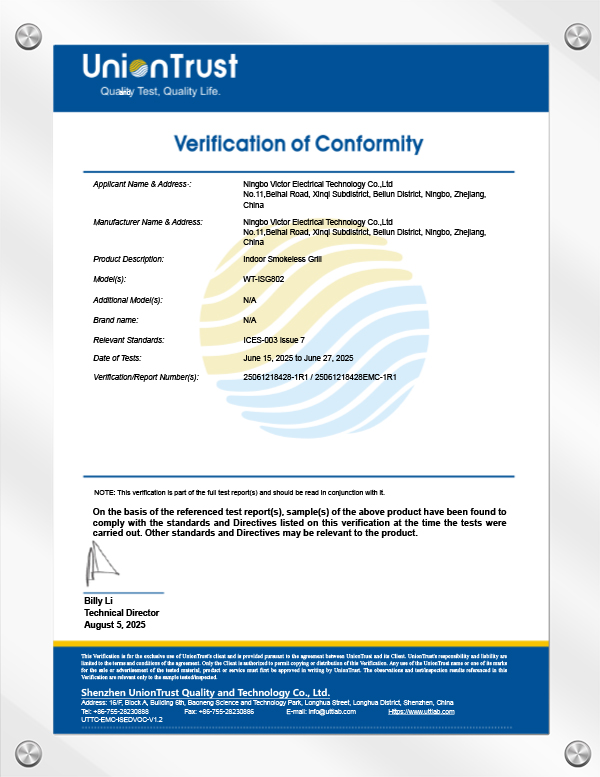
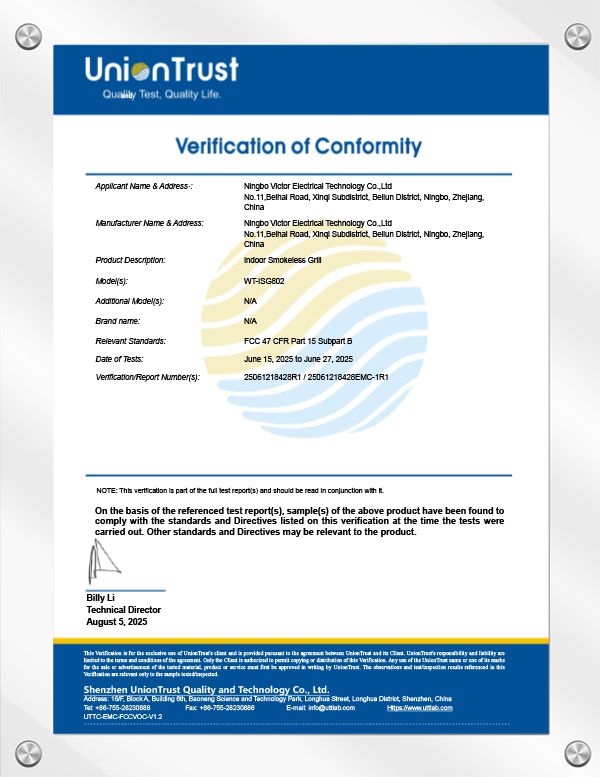
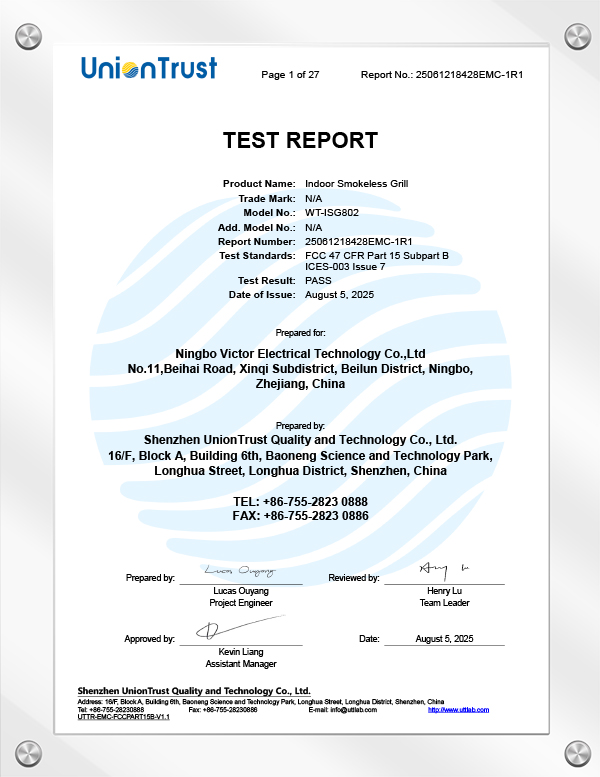
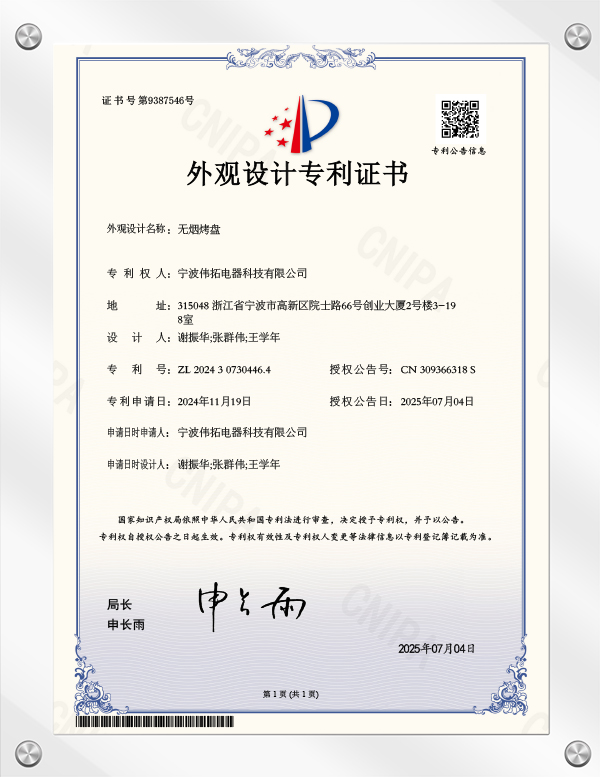
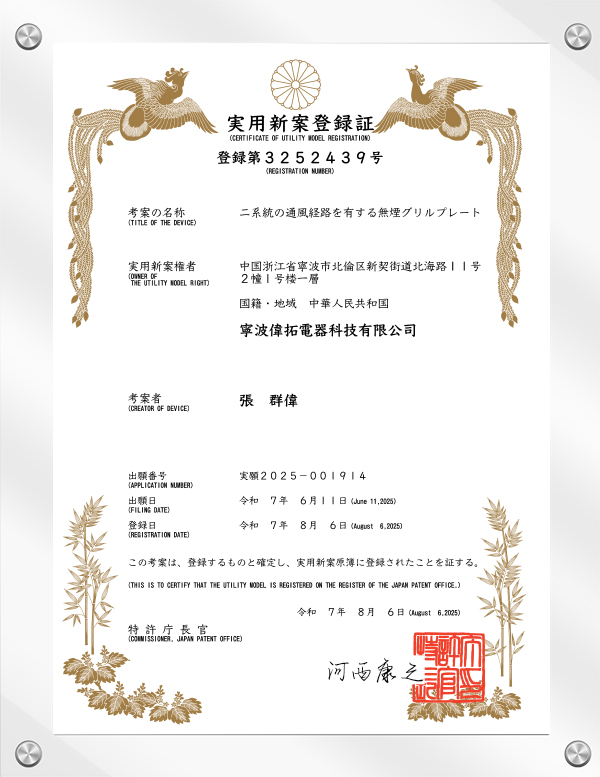
Certificate Of Honor
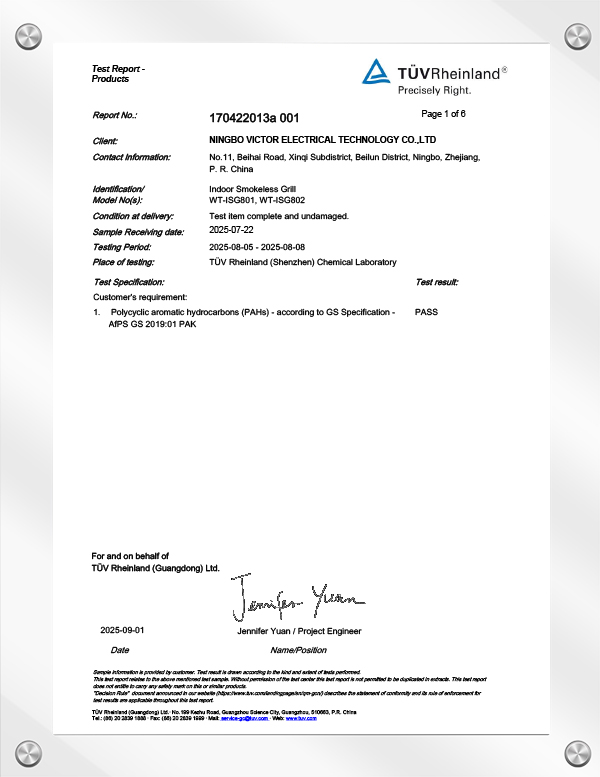
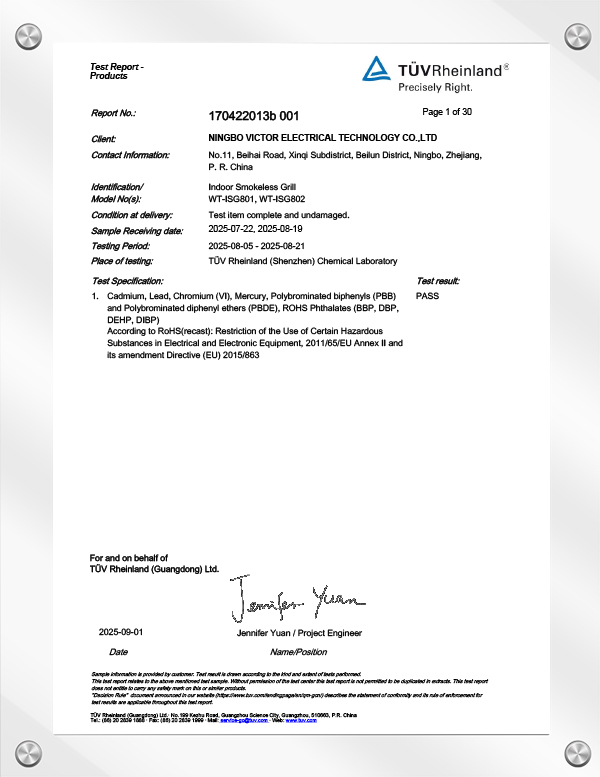
News
-
Two weeks after a café swaps bottled vanilla coffee syrup for a bag-in-box concentrate, the drinks start drifting. The first ten cups of the morning taste right, the afternoon ones arrive sweeter and...
VIEW MORE -
If you want the short answer, choose a rimmed half-sheet pan with a thick steel core, an even nonstick coating, and a base that stays flat after repeated heating and washing. For a home kitchen, two ...
VIEW MORE -
The Best Way to Cook Salmon Starts With a Dry Fillet Salmon goes from silky to chalky in about ninety seconds. Anyone who has watched a fillet release a pool of white albumin into a hot pan knows the...
VIEW MORE -
A pot of coq au vin fails in two predictable ways: the chicken is stubborn and dry because the liquid boiled instead of simmered, or the sauce turns thin and bitter because too much acidic wine went ...
VIEW MORE
Steamer pot Series Industry knowledge
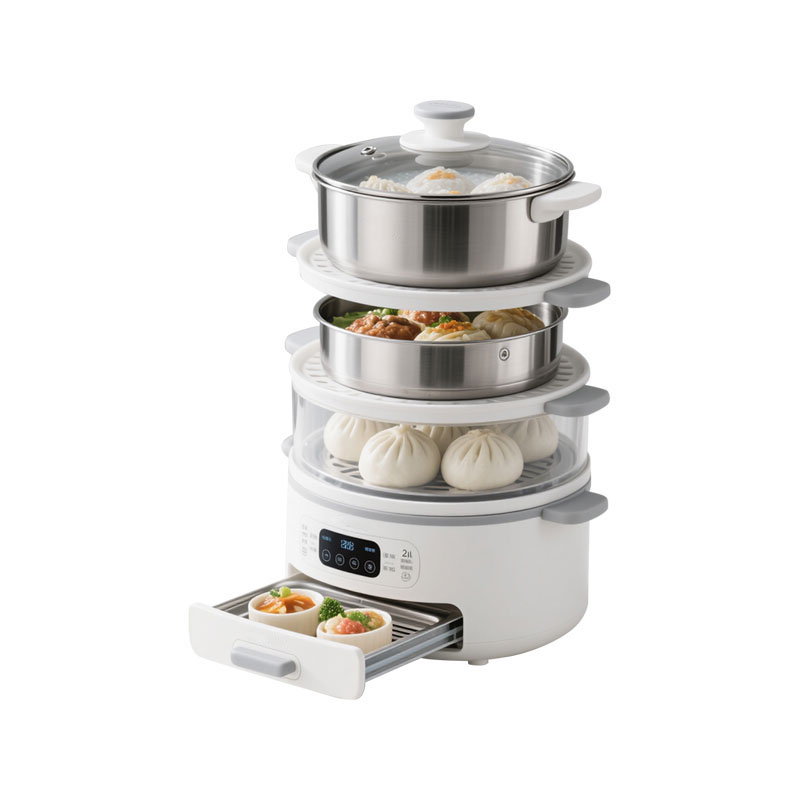
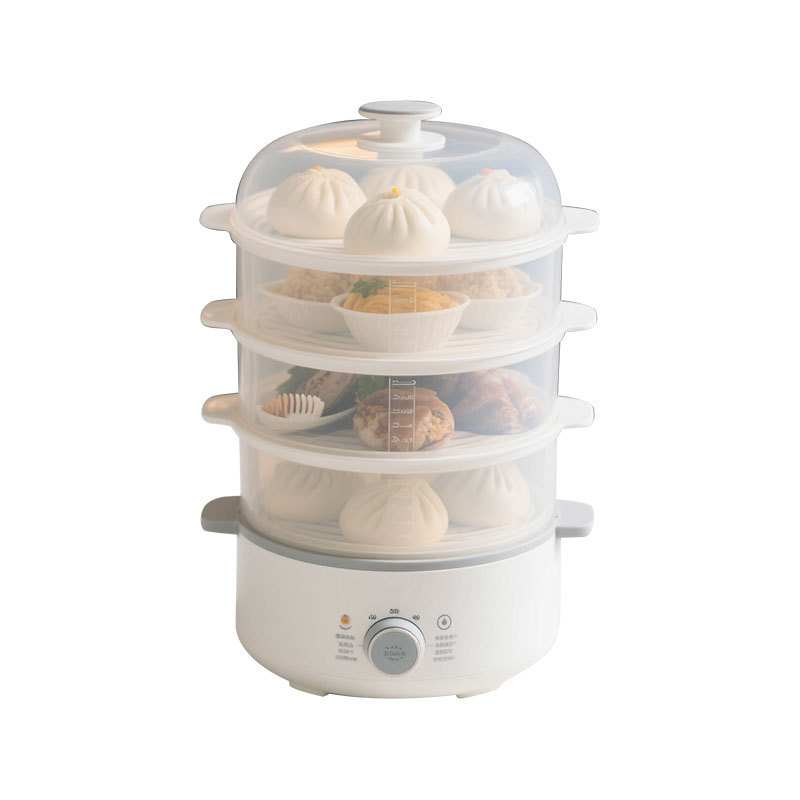
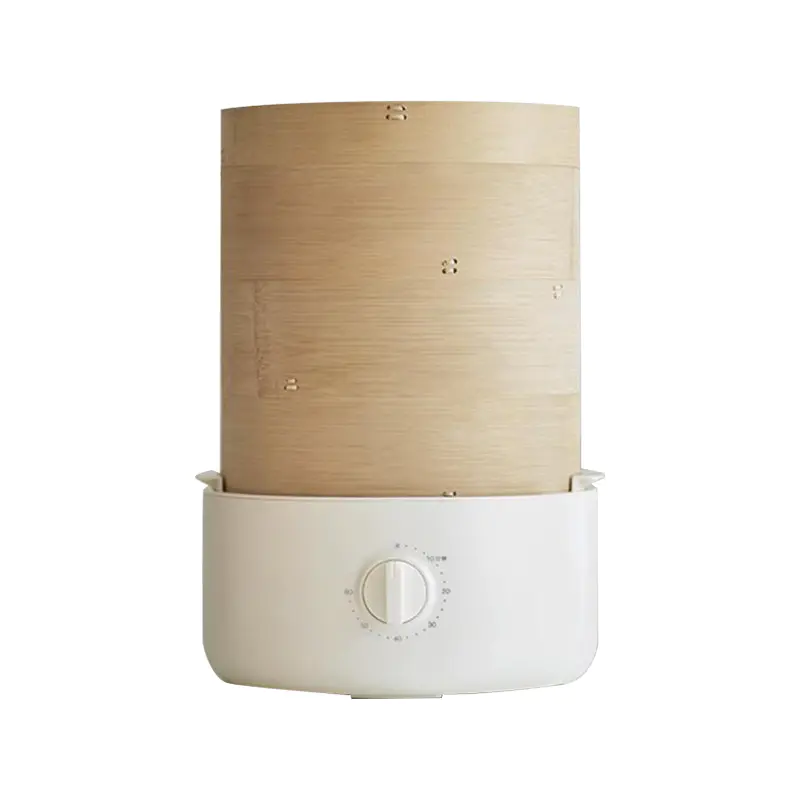
Ningbo Victor Electrical Technology Co., Ltd. designs and manufactures the Steamer pot Series for private-label and OEM/ODM kitchen appliance programs. Our range covers three material platforms: a 304 stainless steel split-layer steamer, a plastic multifunctional steamer and a handmade woven bamboo steamer. All models are electric countertop appliances sharing reservation, keep-warm and dry-burn protection architecture, and all can be adapted for voltage, plug, control panel, colour and packaging.
We manufacture in Ningbo with in-house aluminum die-casting, semi-solid magnesium alloy injection molding and CNC finishing, then assemble and test finished steamer units in our own workshops. That vertical chain matters for steamer pots, where the heating base, water tank and steam basket must fit and seal consistently from unit to unit.
Our steamer pot range and where each model fits
The three models are not variations of one design; they serve different retail price points, cooking cultures and material preferences. We produce all three on the same quality framework, so a distributor can assemble a steamer program around one supplier relationship.
| Model | Construction | Key ratings | Typical application |
|---|---|---|---|
| 304 Stainless Steel Steamer Pot | 304 stainless steel, uncoated; split steam-and-boil design; large viewing window | 2100 W; 0.6–1.3 L water tank; 12 L steamer; 5 L bottom pot; 3 tiers; 4 stew pots | Premium retail and food-service channels; coating-free cooking; dual steam and boil use |
| Plastic Multifunctional Steamer Pot | Food-grade plastic body with modular detachable tiers; refill without shutdown | 1600 W; 2 L tank; 22 L steamer; 3 tiers; 4 stew pots; 120 °C heat resistance; 25 s steam | High-volume family use; value price tier; large-capacity batch steaming |
| Handmade woven Bamboo Steamer Pot | Hand-woven natural bamboo and wood tiers, untreated; electric base | 800 W; 0.6–1 L tank; 10 L steamer; 4 L bottom pot; 3 tiers; 12 h reservation; 4 h keep-warm | Traditional and specialty cooking; natural-material positioning; gift and premium segments |
How the control architecture works
The stainless steel steamer uses a temperature sensor and PID control to hold the steaming temperature within ±2 °C, with 24-hour reservation and 6-hour keep-warm. The plastic model prioritises fast steam delivery — approximately 25 seconds — and allows water refilling without switching off. The bamboo model runs on a lower-power base and is set up for 12-hour reservation and 4-hour keep-warm.
- Dry-burn protection: low-water sensing cuts heating automatically on the stainless and plastic models.
- Thermal fusing: overheat and water-shortage protection circuits sit alongside the warning functions.
- Timer logic: reservation and keep-warm are firmware settings we can align to regional habits or brand requirements.
- Power train: heating element and cord set are selected to the destination market; cord length is 1.0 m across the three models.
Materials, contact surfaces and cleaning
Cooking contact surfaces differ by model and that drives the sales story. The 304 stainless steel version carries no coating and is corrosion-resistant, so it suits markets that avoid non-stick liners. The plastic version uses food-grade plastic on contact faces with a modular tier layout that dismantles for cleaning. The bamboo model uses untreated bamboo and wood, which absorbs condensation and prevents drip-back onto food.
We match outer shells, handles and base parts from our magnesium and aluminum component workshops so structural rigidity and heat dissipation stay consistent. Where a brand needs a coated or upgraded exterior, that is handled through the existing Magnesium Alloy Series tooling route rather than a generic finish change.
Configuration options for OEM and ODM programs
Our steamer pot series is offered as an OEM/ODM platform. Base models are fixed on capacity and power, while the visible and market-facing layers are open for adjustment. We confirm each option in the specification sheet before tooling or pilot runs.
- Voltage and plug type for the destination market, with the 230 V~/50 Hz build as the standard platform.
- Housing colour and finish, including branding and label placement.
- Control panel language, icon set and timer presets.
- Tier count, stew-pot complement and basket configuration within the model's rated capacity.
- Packaging structure, carton artwork and retail-ready presentation.
Manufacturing and quality control behind the steamer line
Steamer bases pass through our die-casting and magnesium molding workshops, then 23 CNC machining centres for secondary work, before single-piece-flow assembly with digital work instructions and real-time defect recording. Our testing centre of roughly 200–300 m² runs electrical safety, lifecycle, drop, pressure, heat resistance and glow-wire tests, plus coating abrasion, cover opening and closing life, and salt spray checks.
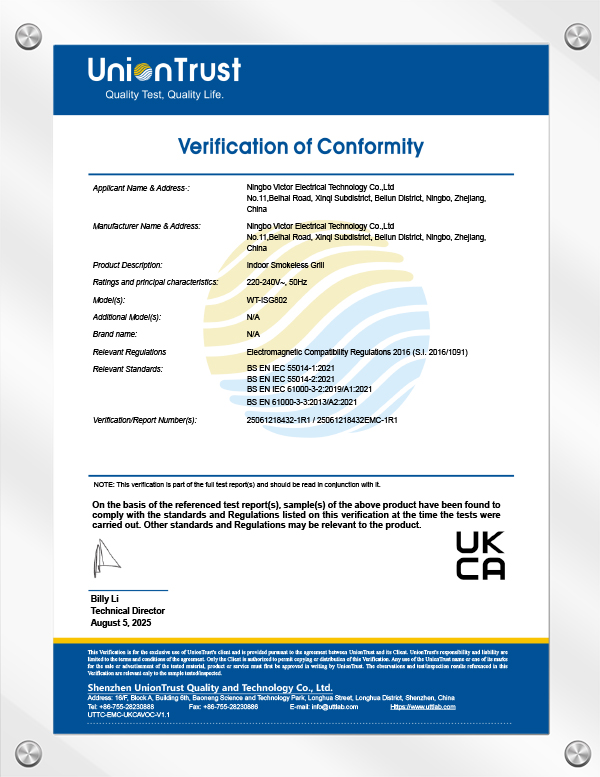
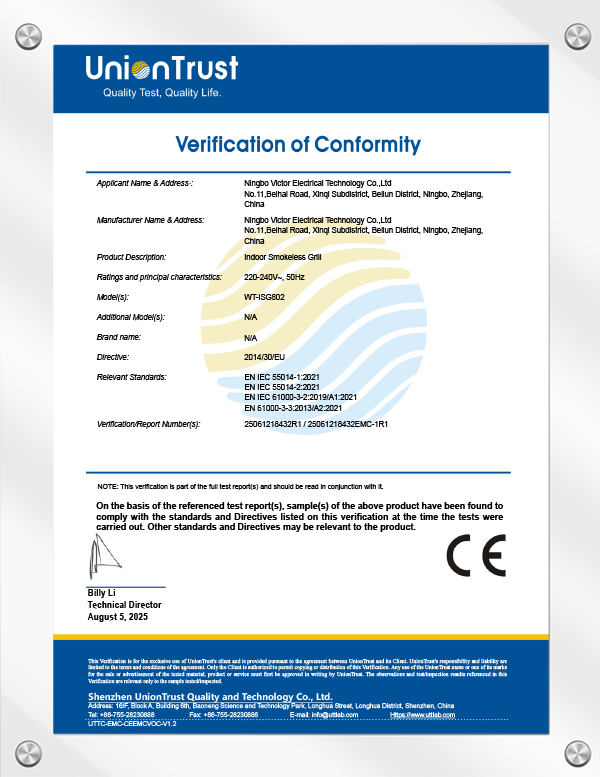
Monthly production capacity is 50,000+ units across four lines, and our team is familiar with CE, GS and ETL certification processes for EU and US markets. Certification and test evidence are compiled in the project file for each steamer order before shipment.
Utilities, installation and operator safety
- Countertop appliance format; each model needs a standard earthed socket matched to the rated voltage and power — up to 2100 W on the stainless model.
- A level, heat-resistant surface with clearance for the steam window and lid opening is required; the stainless model stands 350 × 350 × 480 mm.
- Dry-burn and overheat cut-outs are fitted as standard; warning functions are visible on the control panel.
- Bamboo tiers should be dried after use; plastic and stainless tiers are removable for washing.
Project support, documentation and delivery scope
OEM/ODM projects run through requirement collection, concept and DFM review, prototyping and testing, mold making, mass production, QC and packaging, then delivery and support. Our design team can move from hand-drawn sketches to production-ready CAD in as little as three weeks, with DFM/DFA reviews completed before tooling. Per-model documentation includes the product parameter sheet, colour and finish options, packaging artwork and the test records relevant to the destination market.
Information we use to configure your solution
A steamer proposal is built from a short set of project inputs. When these are clear, we can quote the model, options and packaging in one pass.
| Input | What we confirm |
|---|---|
| Destination market and voltage | Rated voltage, plug type, cord set and certification route |
| Model and capacity target | Stainless, plastic or bamboo platform; tank, steamer and bottom-pot volumes; tier count |
| Control and timer requirements | Reservation and keep-warm hours, temperature accuracy, panel language |
| Brand and retail requirements | Colour, finish, label placement, retail packaging and carton artwork |
| Order and delivery plan | Quantity, sampling schedule, pilot run scope and shipment structure |
Frequently asked questions
Can we order different steamer models in one program?
Yes. The stainless, plastic and bamboo models share our assembly, testing and documentation framework, so a distributor can place them in different retail tiers or regional markets within one supplier relationship. Each model keeps its own parameter sheet and tooling.
What voltage and plug options are available?
The standard platform is 230 V~/50 Hz, with power ratings from 800 W to 2100 W depending on model. Voltage and plug configuration are aligned to the destination market during specification, along with the relevant certification route.
How is temperature controlled in the stainless steel steamer?
A temperature sensor monitors the steamer basket and a PID controller regulates the steam to hold within ±2 °C, supported by 24-hour reservation and 6-hour keep-warm. Dry-burn and overheating protection cut heating when the water level is low.
Do you support private label and packaging design?
Yes. Our OEM/ODM route covers brand labelling, control panel language, housing colour, retail packaging and carton artwork. Design work runs from requirement collection through concept, DFM review, prototyping and testing before mold making and mass production.
What testing is applied to steamer orders?
Units go through electrical safety, lifecycle, drop, pressure, heat resistance and glow-wire testing in our 200–300 m² testing centre, with raw material screening and 100% final product inspection before shipment. The relevant test records are compiled with the order documentation.
If You Have Any Questions, Please Consult us
Follow Us
Follow our social media to learn more about our updates
Contact
-

-

+86-13805815092
-

No. 11 Beihai Road, Xinqi Street, Beilun District, Ningbo City, Zhejiang Province, China
Product Categories
