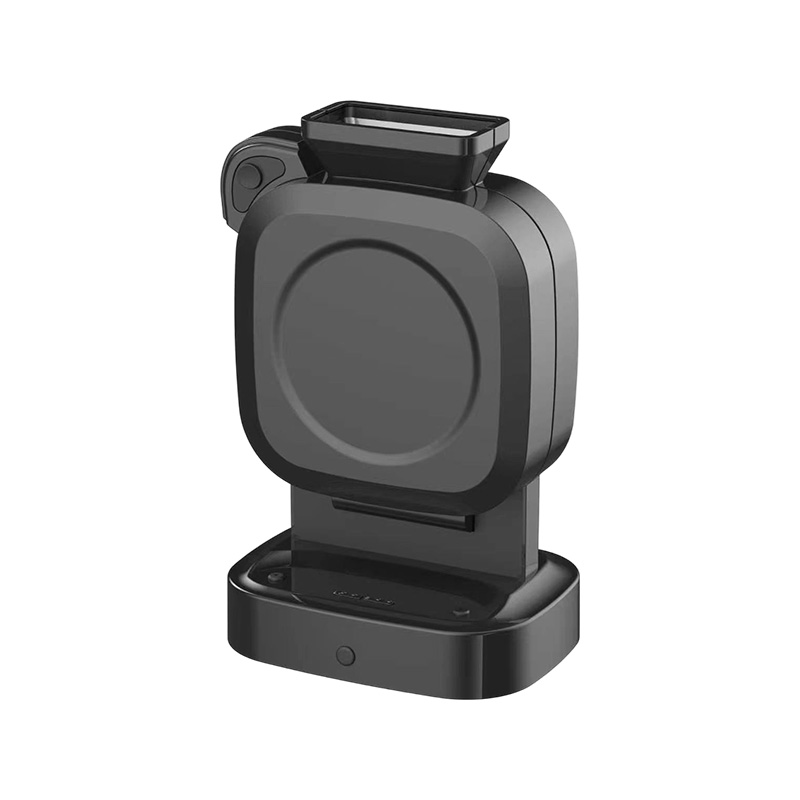
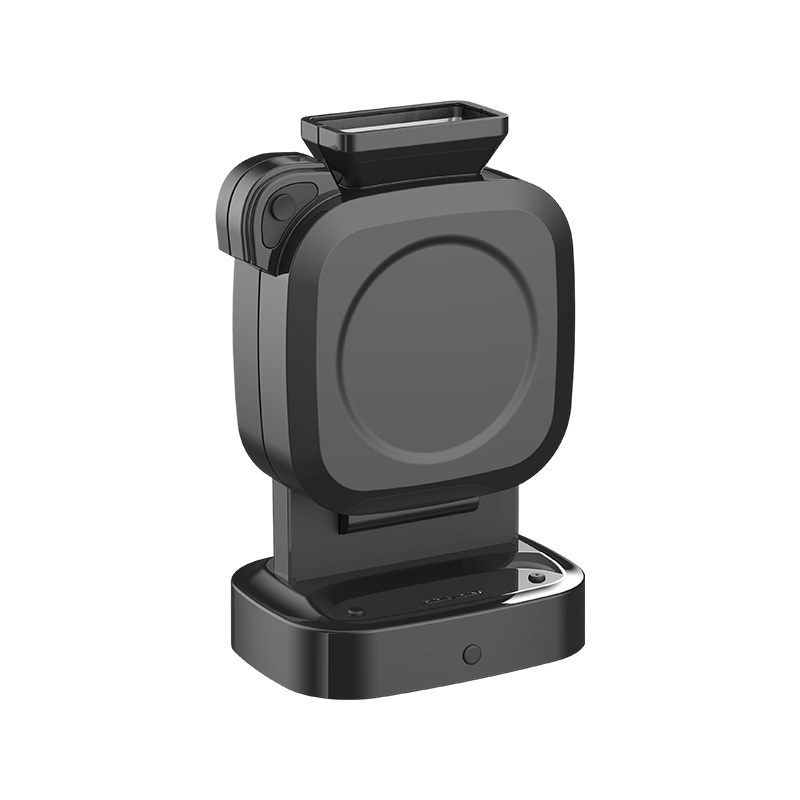
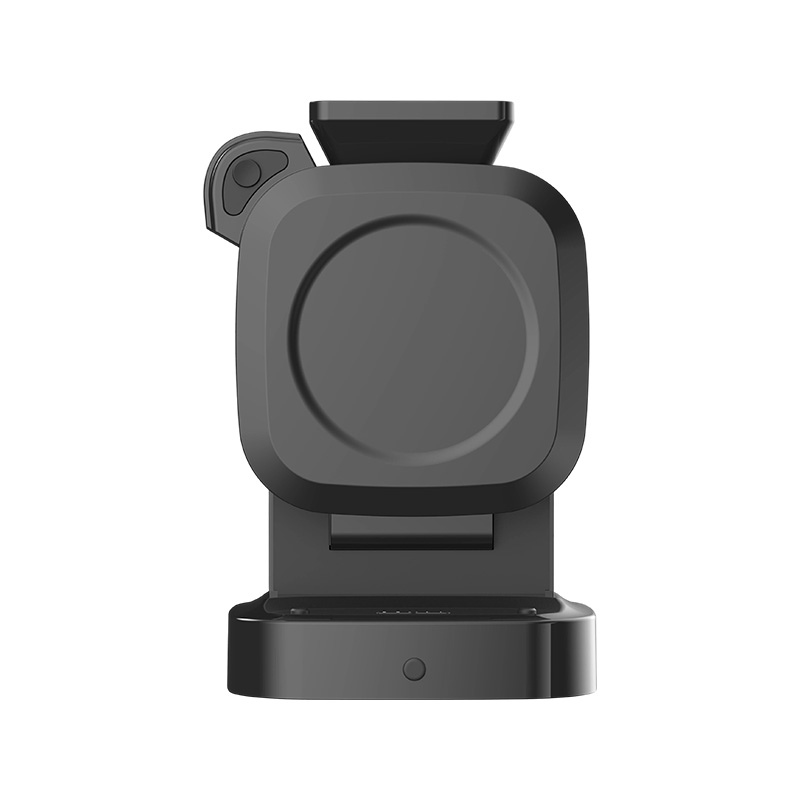
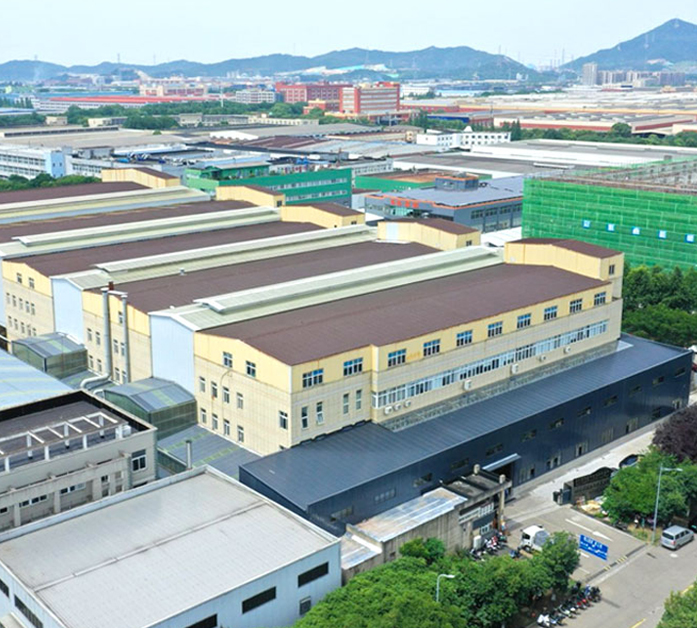
Ningbo Victor Electrical Technology Co., Ltd. is a China-based kitchen appliances manufacturer and OEM/ODM partner. We develop and produce small kitchen appliances and the magnesium and aluminium alloy components behind them, combining in-house semi-solid magnesium alloy injection molding, aluminium alloy die-casting, CNC finishing and appliance assembly in one manufacturing system. Our Products range covers garment care, indoor grilling, waffle making, air frying, coffee preparation, steaming and sandwich making, plus a dedicated mould and parts processing series for brand owners who need component-level supply.
What We Manufacture
Our product platform is built around heating, steam generation, temperature control and food-contact structures. Because we produce the metal housings, heating plates and die-cast parts in-house, appliance configuration and component supply can be coordinated within the same project. That is the practical value we bring to distributors, private-label brands and project teams assembling a kitchen appliance range.
The range below is our available product family. Each category serves a different end-use setting, and the model mix within each one can be adapted to market requirements, control preferences and packaging formats through our OEM/ODM process.
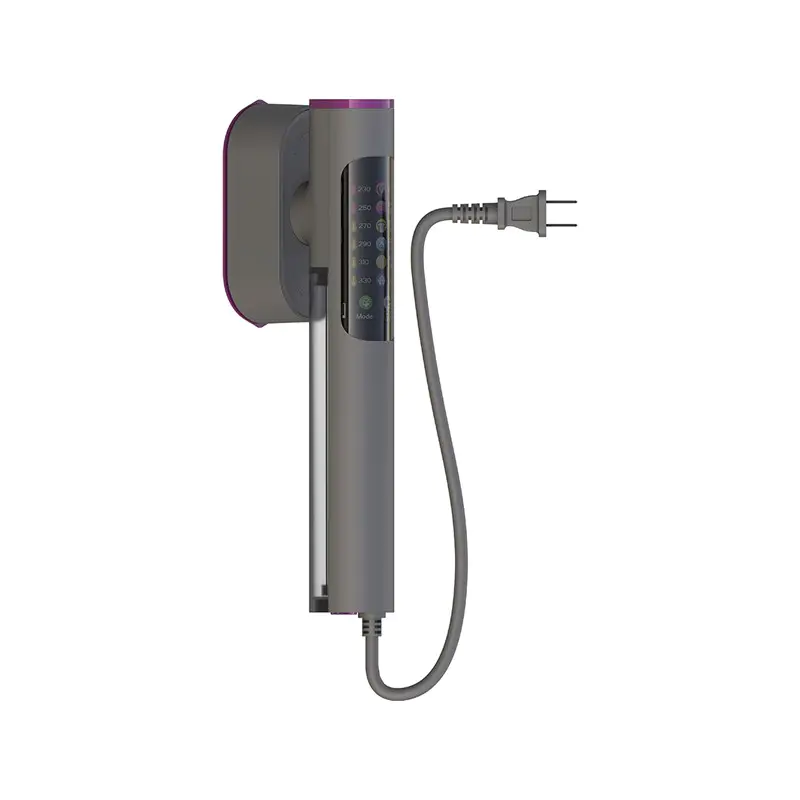
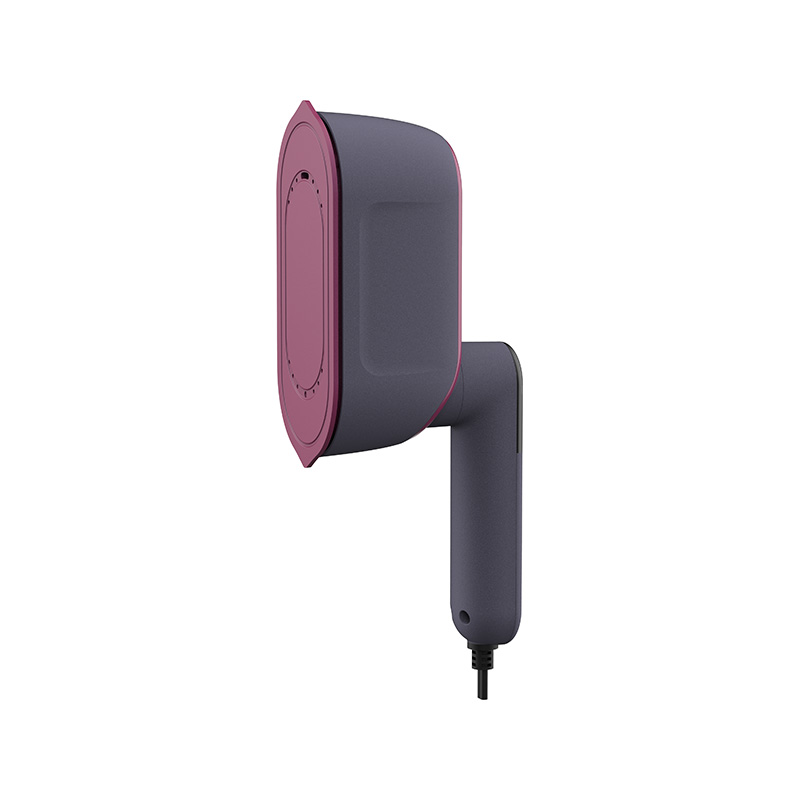
Travel and household steam irons with fast preheat, high-pressure penetrating steam, a 150 mL food-grade PP tank and multiple safety protections. Models include Traveling Steam Iron WT-301.
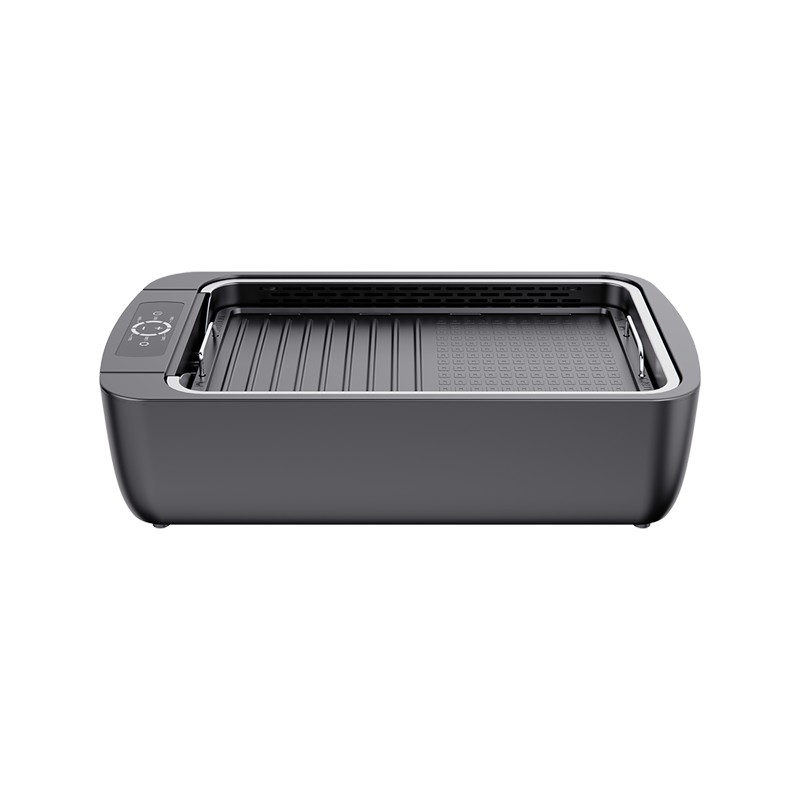
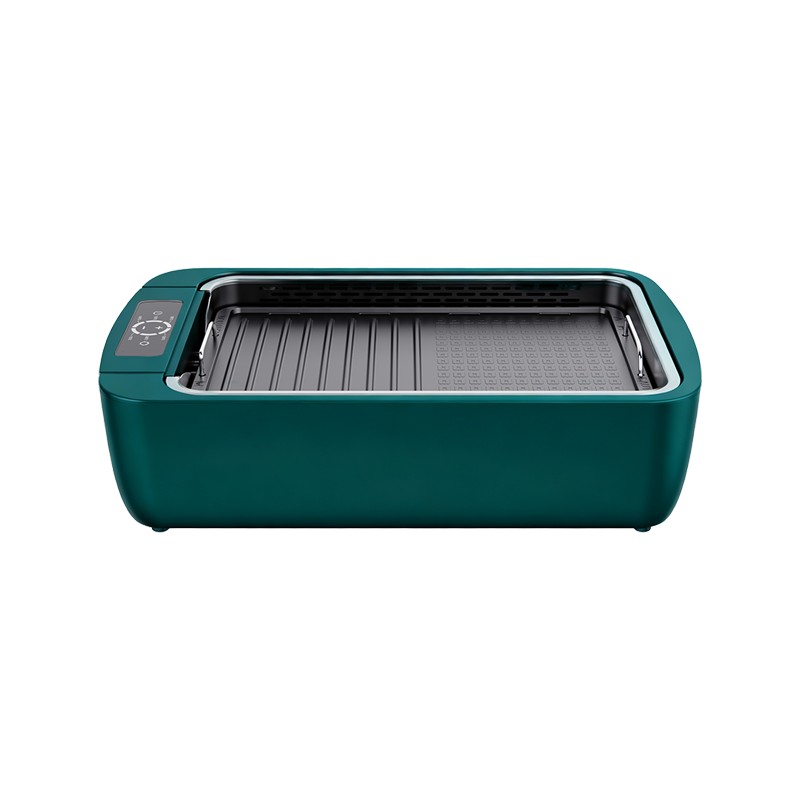
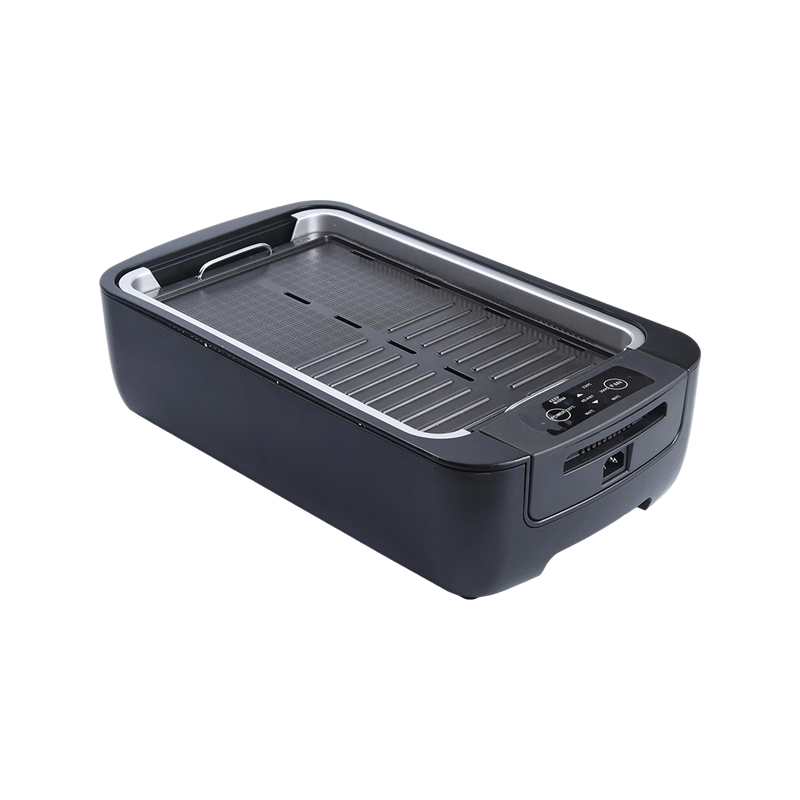
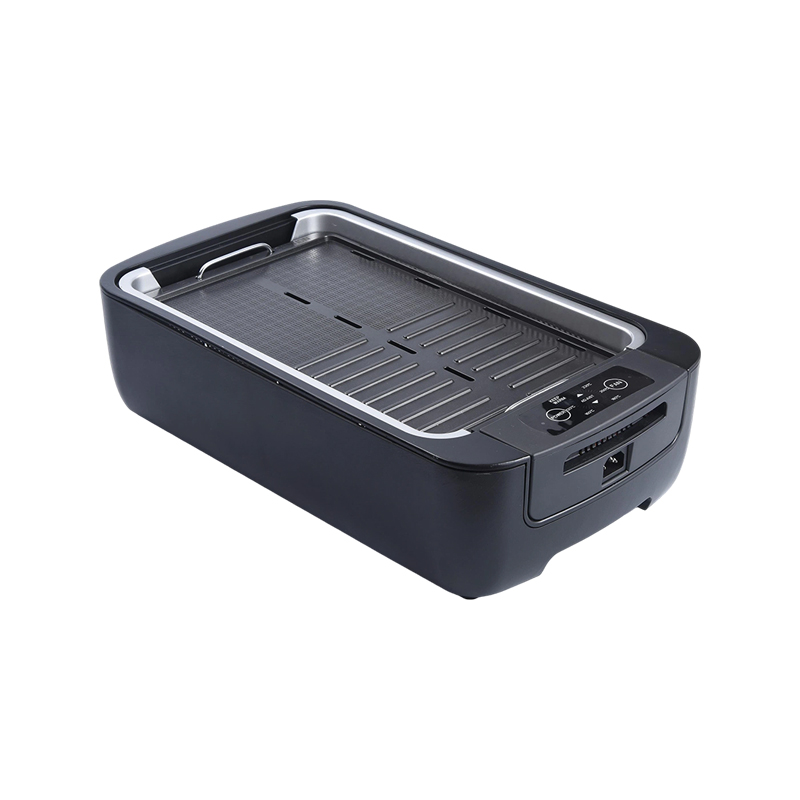
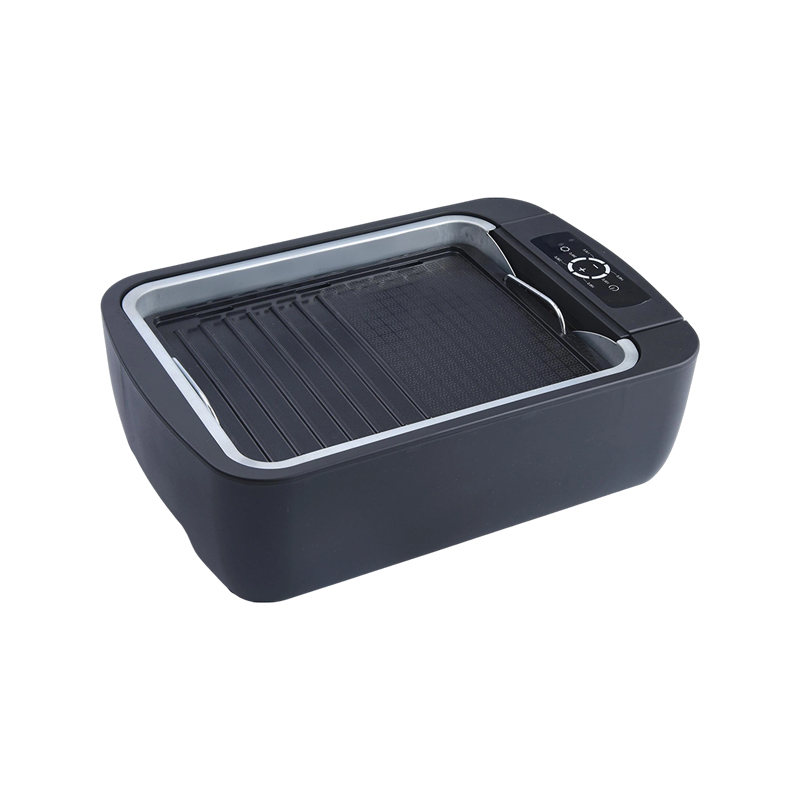
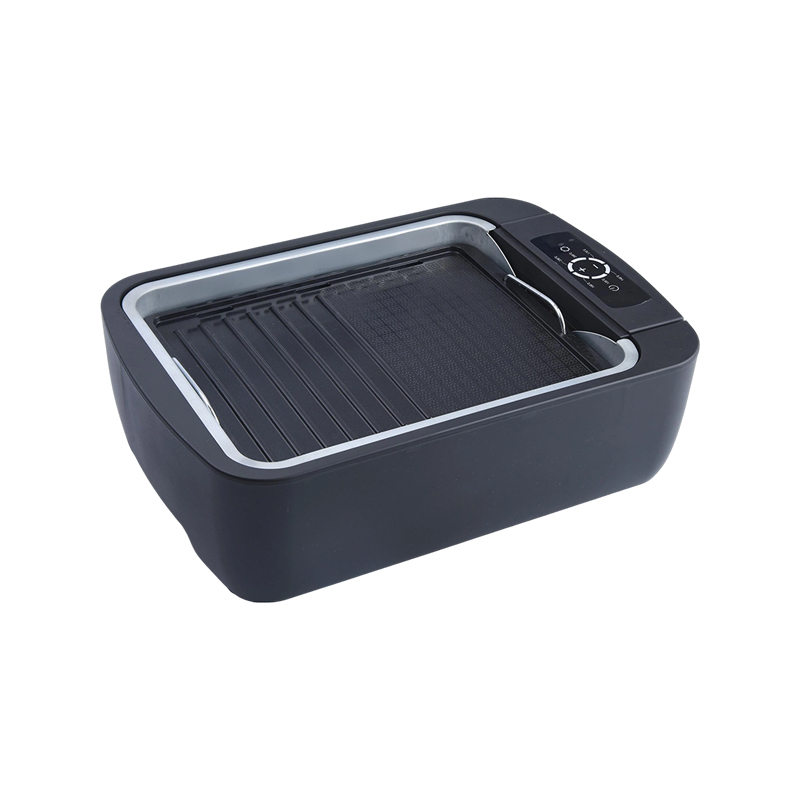
Grill Pan and Grilling Series
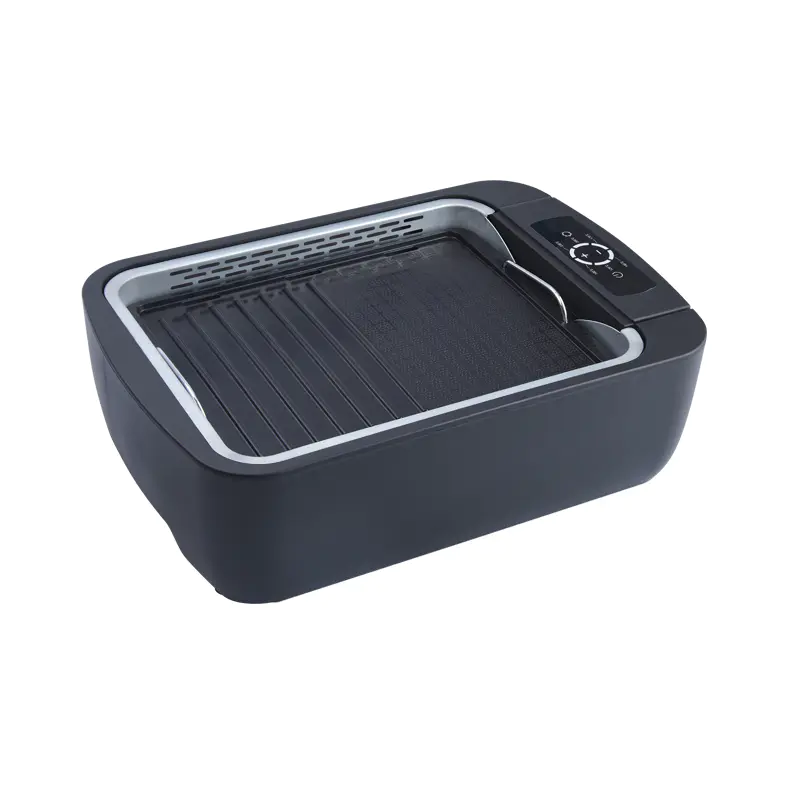
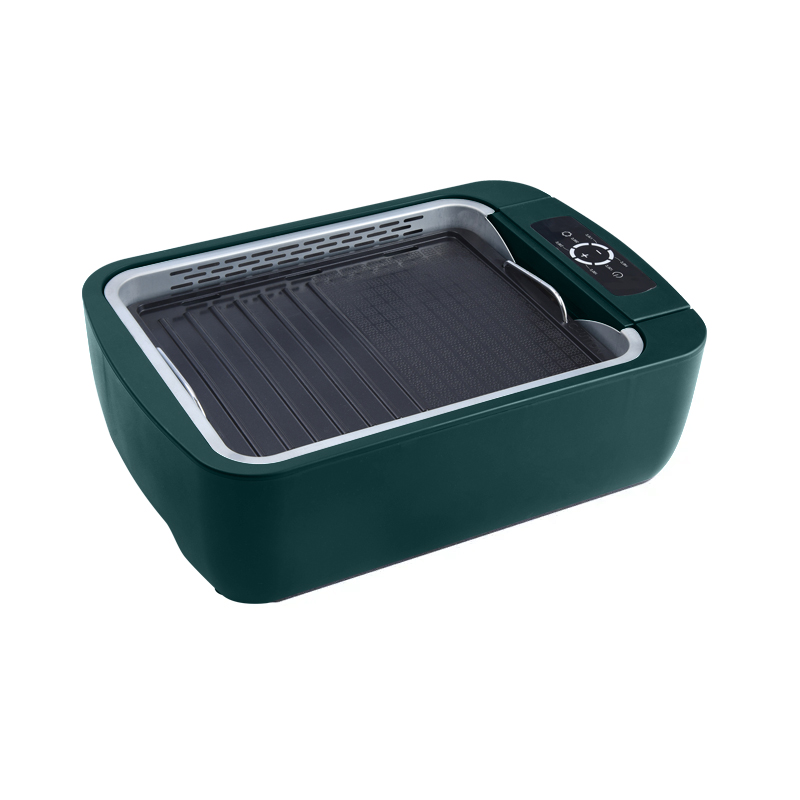
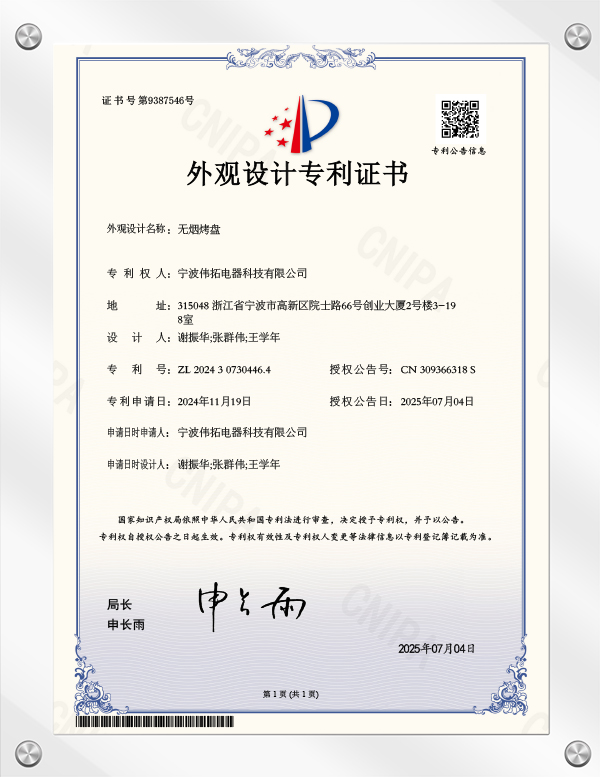
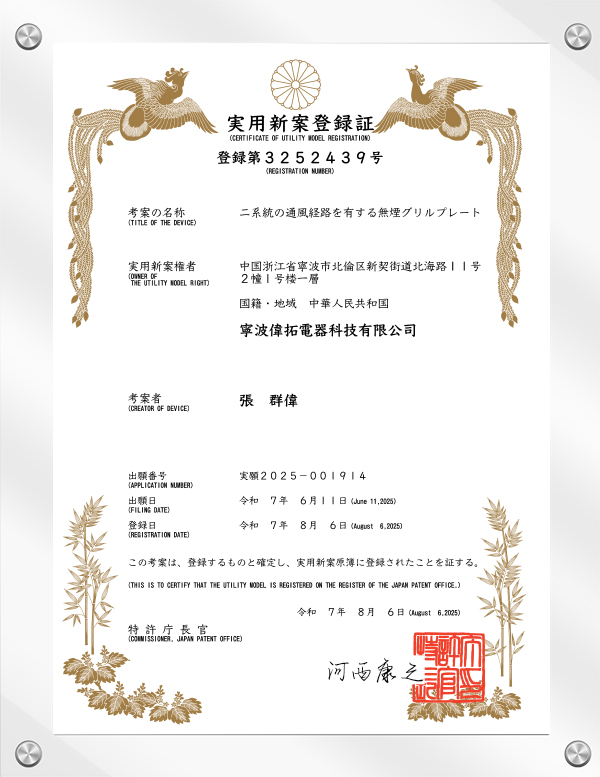
Indoor electric smokeless grill pans with temperature control and removable grill plates. The lightweight magnesium-alloy body improves heat dissipation, while the modular structure supports cleaning and fume reduction.
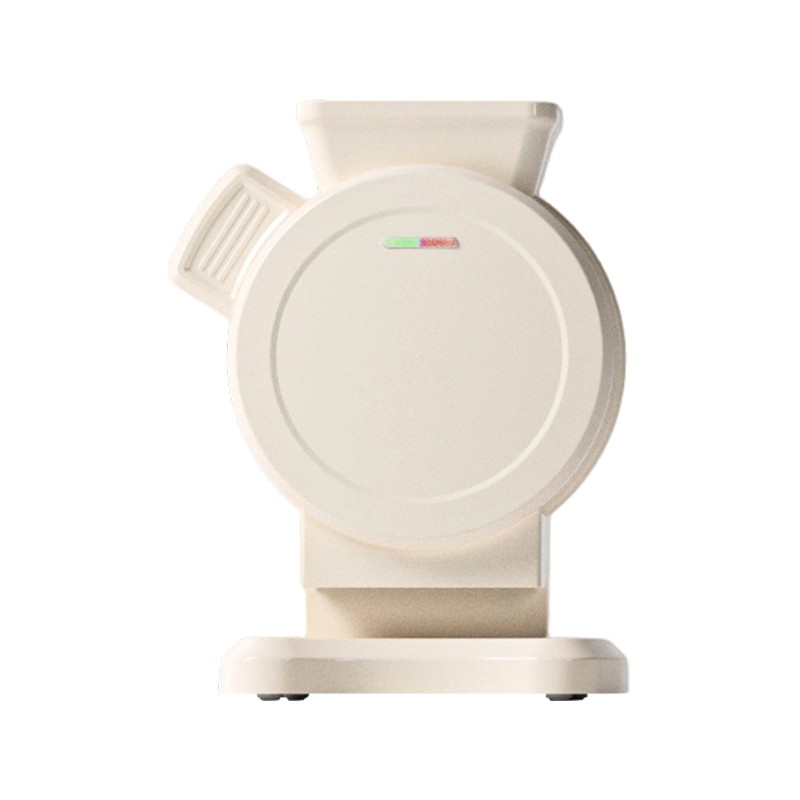
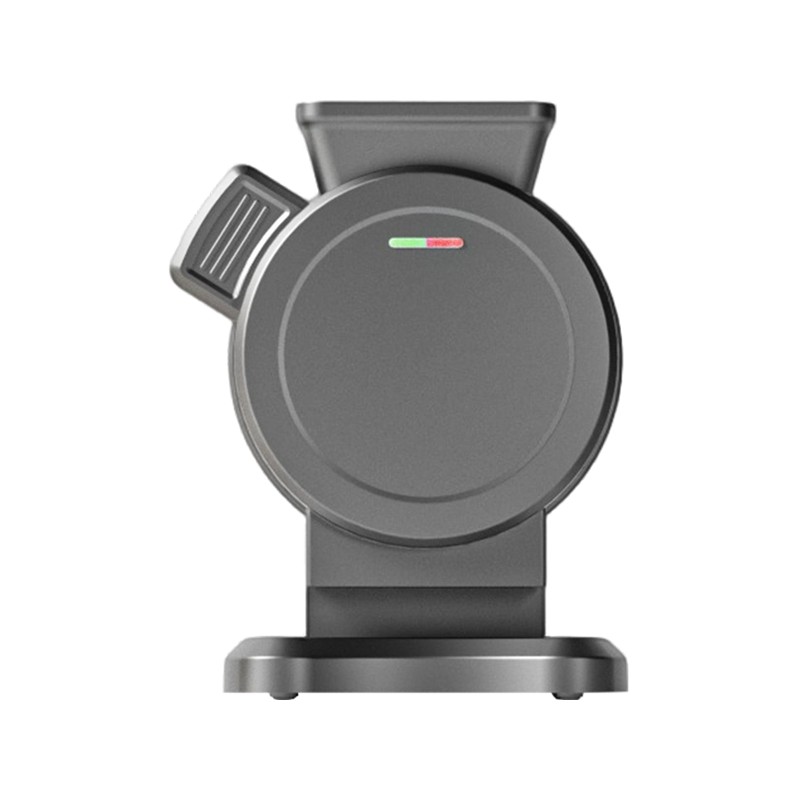
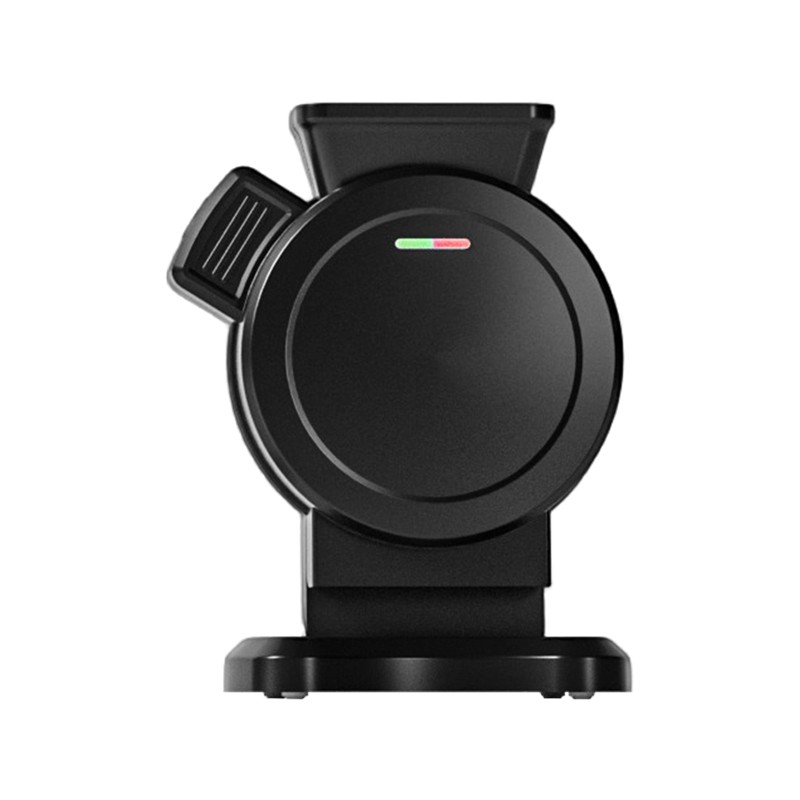
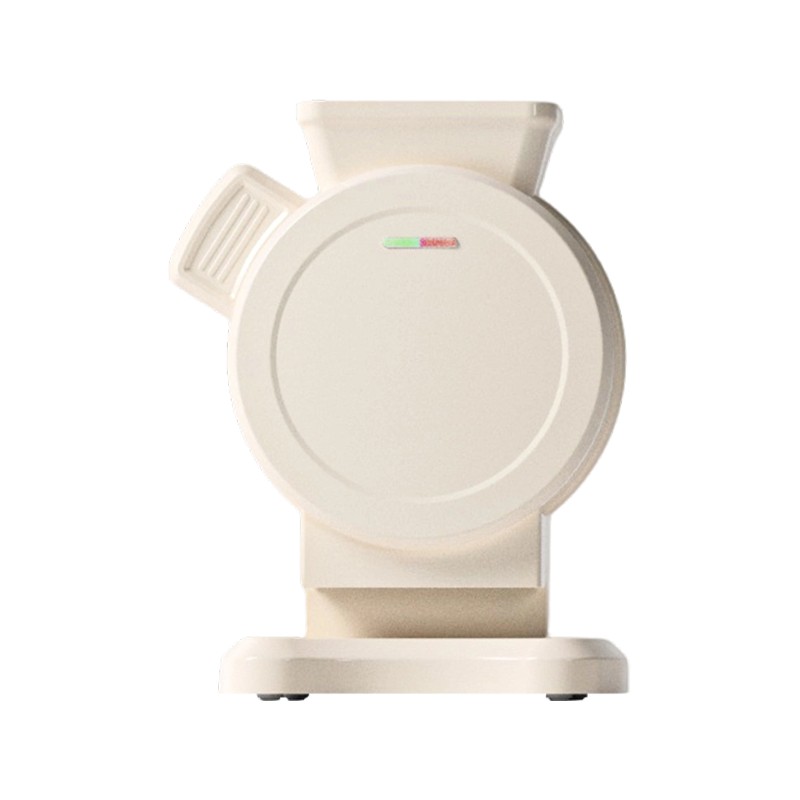
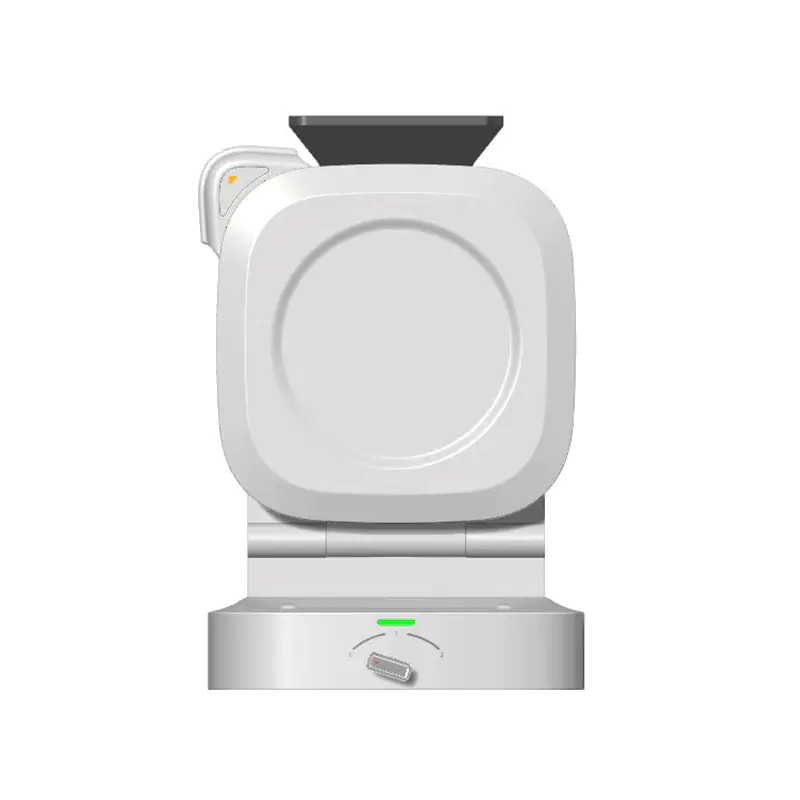
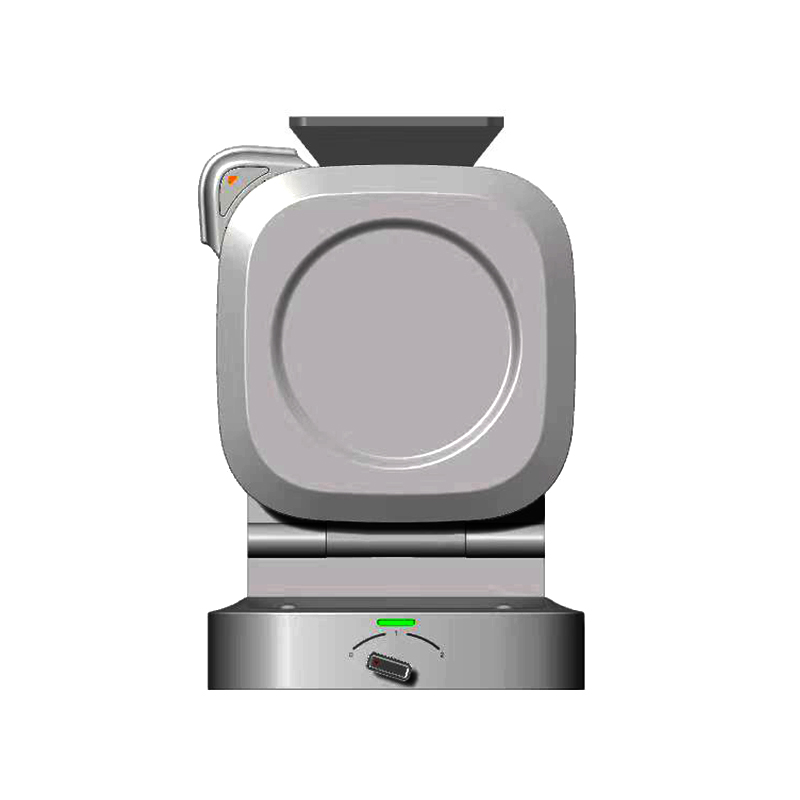
Waffle Maker Series
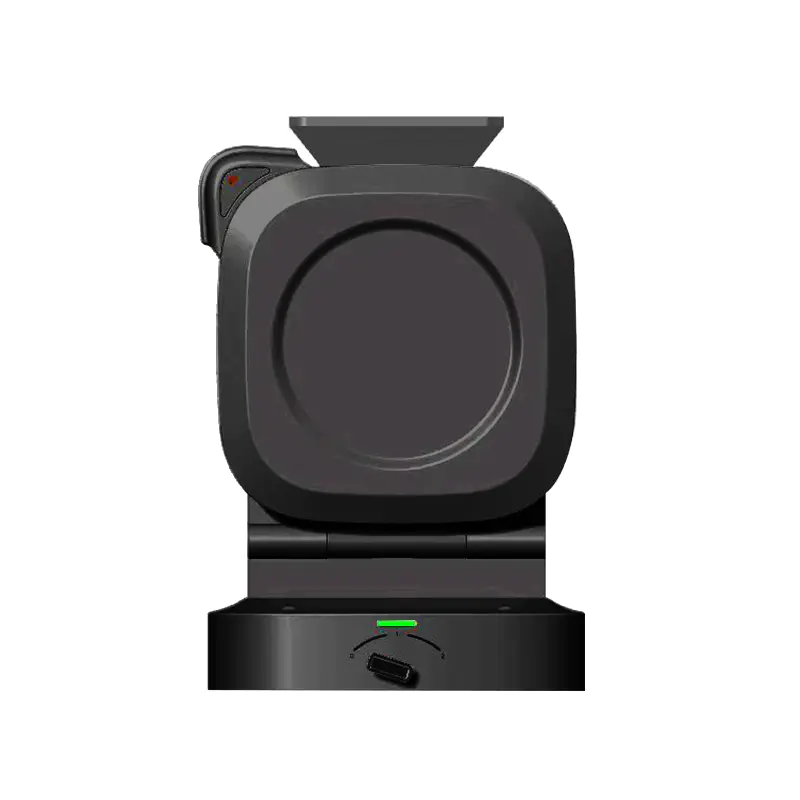
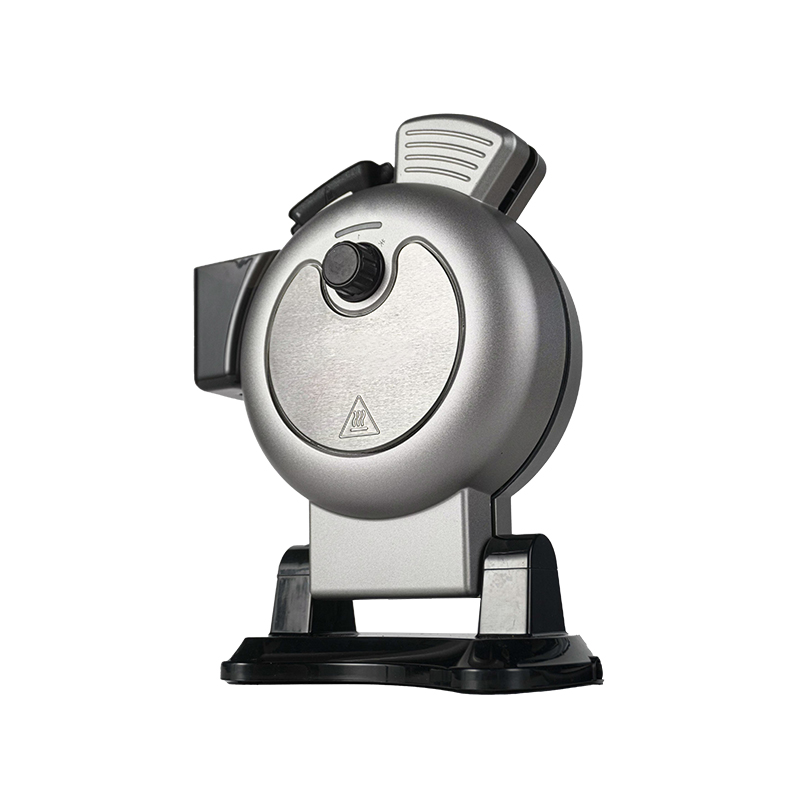
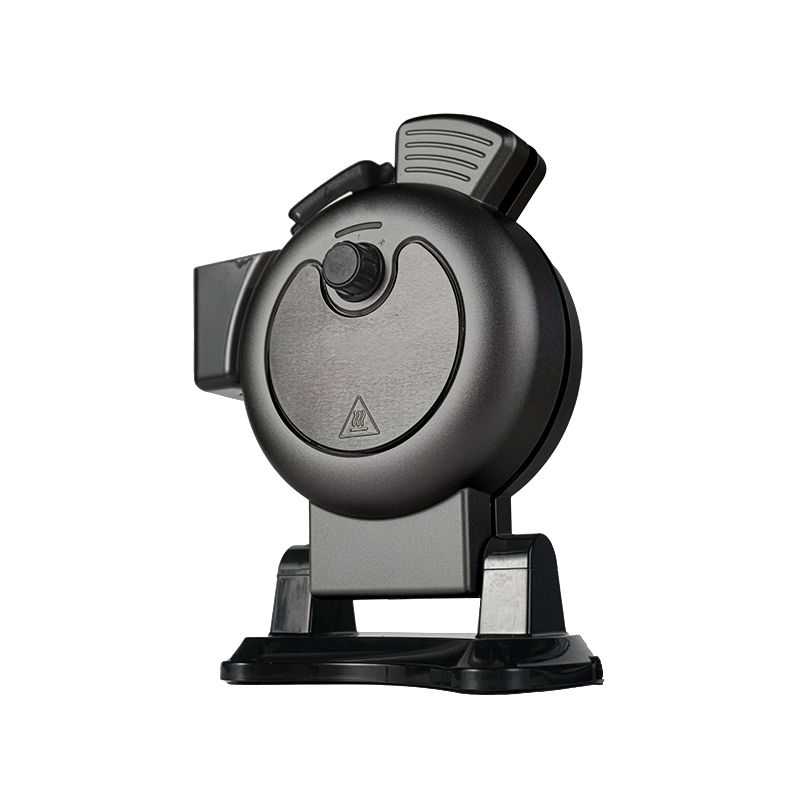
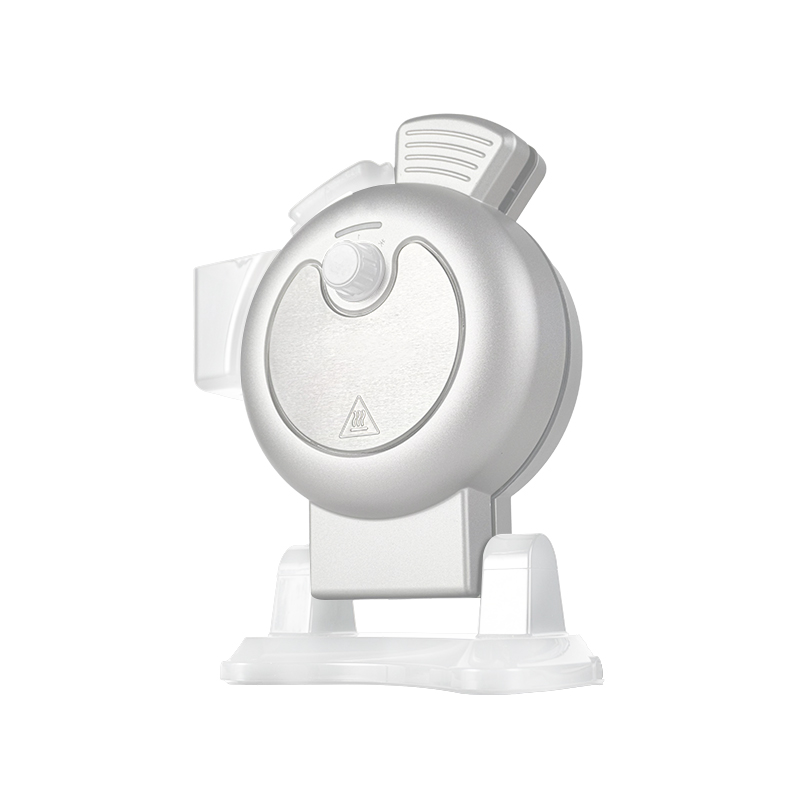
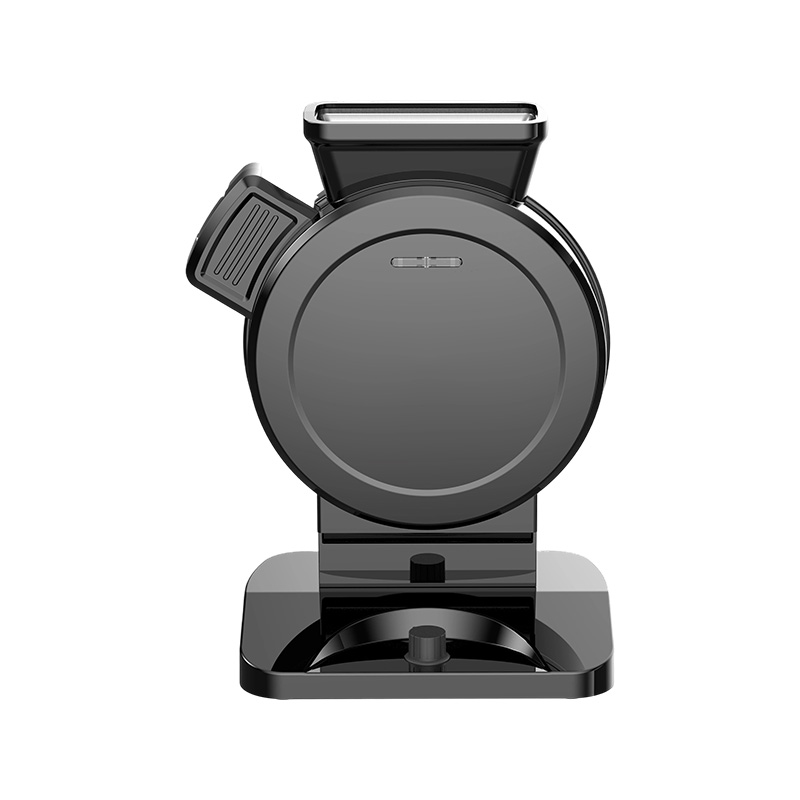
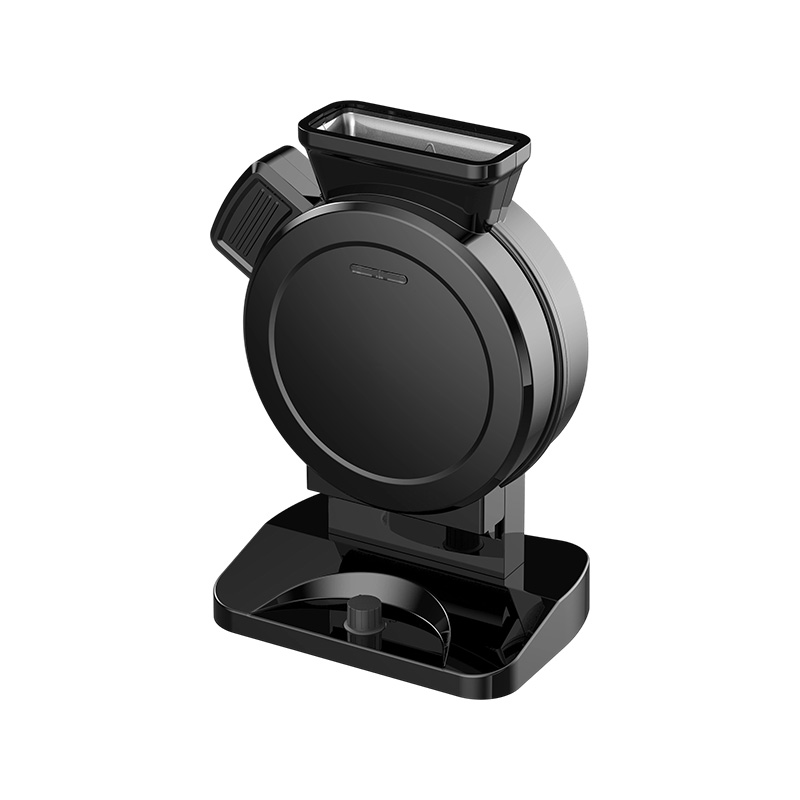
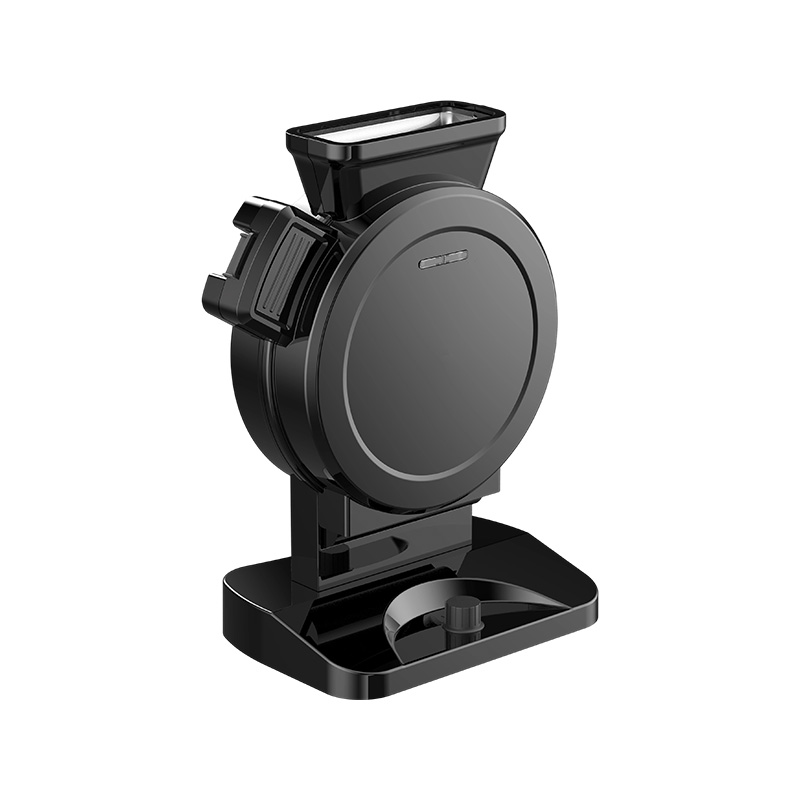
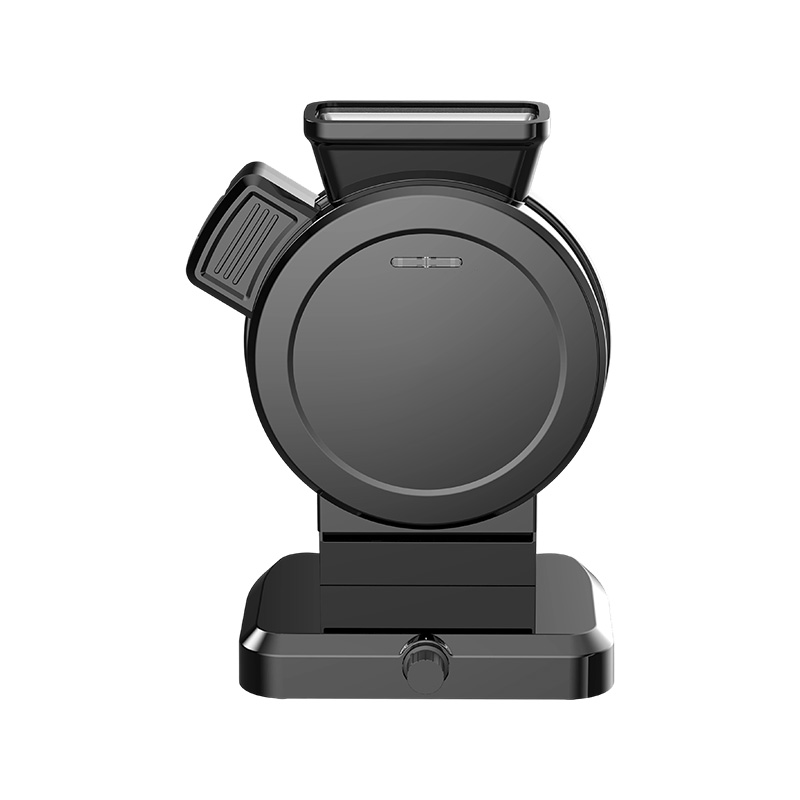
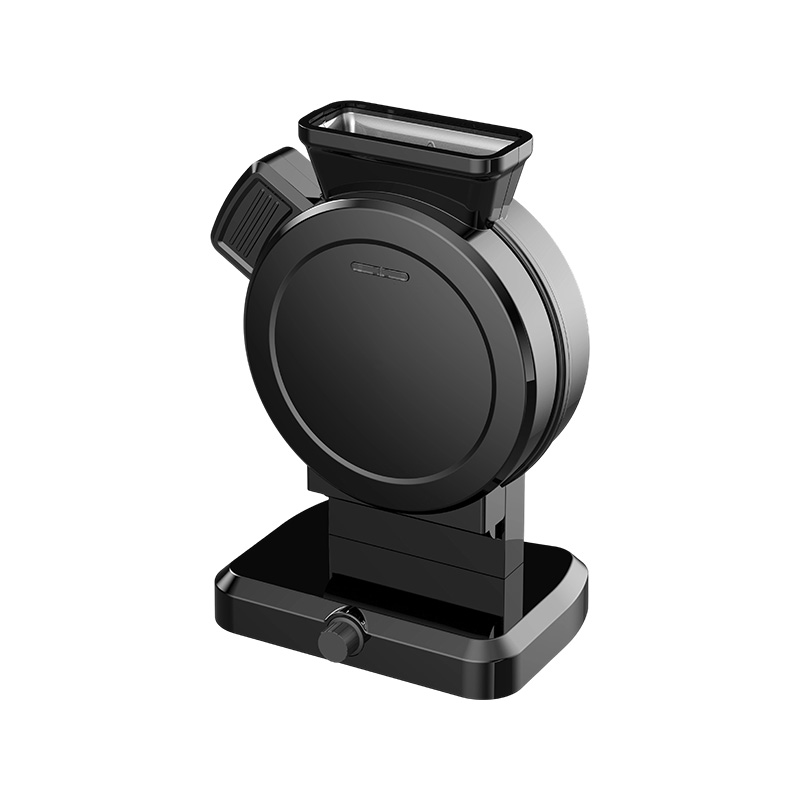
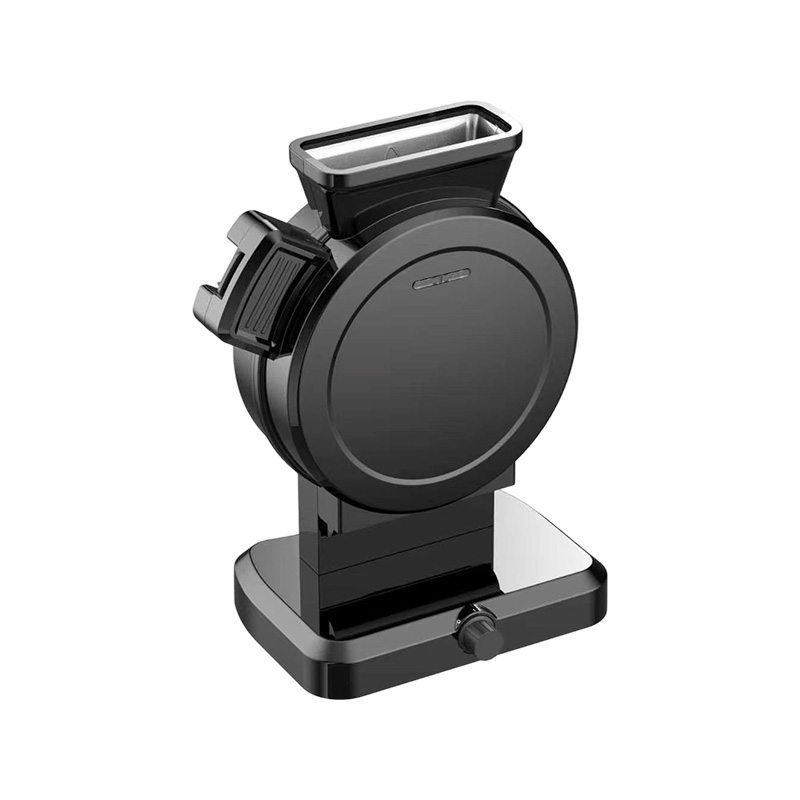
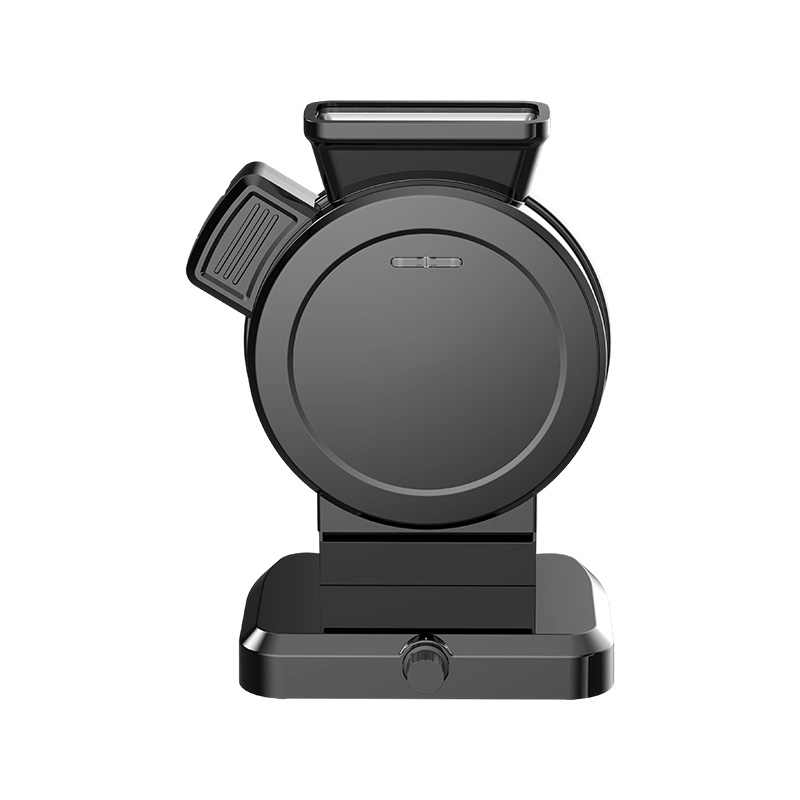
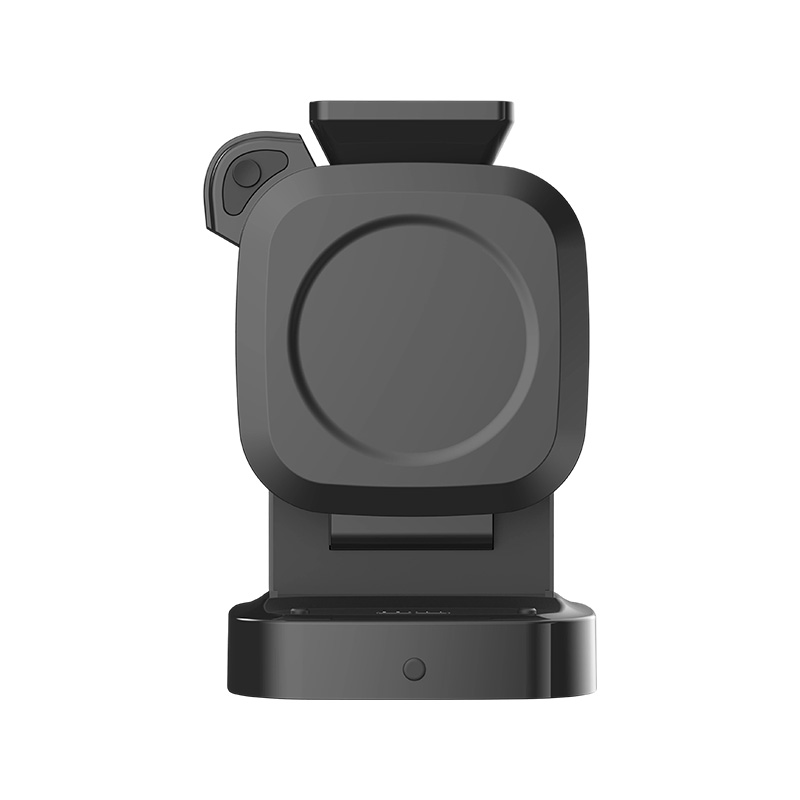
Vertical flip and two-sided square rotating waffle makers designed for even baking and consistent plate temperature. Plate geometry and non-stick coating options are configured per market.
Glass Air Fryer
Visible-basket air frying with a glass cooking chamber. This design supports visual doneness control and easy cleaning for health-oriented countertop cooking ranges.
Coffee Machine Series
Drip filter, hand-brewed, 2-in-1, crushed-ice combination and household/commercial combination machines. Our range is structured around capacity, brewing method and cleaning access.
Steamer pot Series
Steam cooking vessels including handmade woven bamboo steamer pots and integrated steamer designs for traditional and modern kitchen formats.
Sandwich Maker Series
Compact contact grills and sandwich presses with controlled plate temperature, suited to quick-service counters, small kitchens and breakfast-oriented appliance ranges.
Magnesium Alloy Series
Appliance bodies and heated components built with semi-solid magnesium alloy injection molding. The material offers corrosion resistance and impact resistance in kitchen environments.
Magnesium-Aluminium Alloy Mould and Parts Processing Series
Mould development and aluminium/magnesium component processing for brands needing die-cast or injection-moulded parts outside a complete appliance build.
Range-to-Application Fit
| Product family |
Primary use setting |
Key configuration variables |
| Iron / Portable Iron |
Travel, home, small apartments |
Steam rate, tank volume, safety protection set, plug standard |
| Grill Pan / Grilling |
Indoor kitchens, open kitchens, dormitories |
Plate material, removable parts, temperature control, fume design |
| Waffle Maker |
Home baking, breakfast service |
Plate shape, flip mechanism, coating, timer |
| Glass Air Fryer |
Health-focused countertop cooking |
Basket capacity, glass chamber, control interface |
| Coffee Machine |
Household, office, light commercial |
Brewing method, reservoir capacity, combination functions, cleaning access |
| Steamer pot |
Traditional and modern steam cooking |
Material (bamboo, metal), tier count, diameter |
| Sandwich Maker |
Quick-service counters, breakfast, home |
Plate profile, hinge design, temperature range |
| Magnesium Alloy / Mould & Parts |
Appliance housings, component supply |
Alloy grade, mould design, part tolerance, finishing |
Engineering and Process Value
Our component workshops begin with raw magnesium and aluminium material. Semi-solid magnesium alloy injection molding forms thin-wall, high-rigidity housings, while aluminium die-casting produces heat-conducting plates and structural parts. Twenty-three CNC machining centres then finish critical dimensions before assembly. Keeping these steps together shortens the path between a design change and a production-ready part.
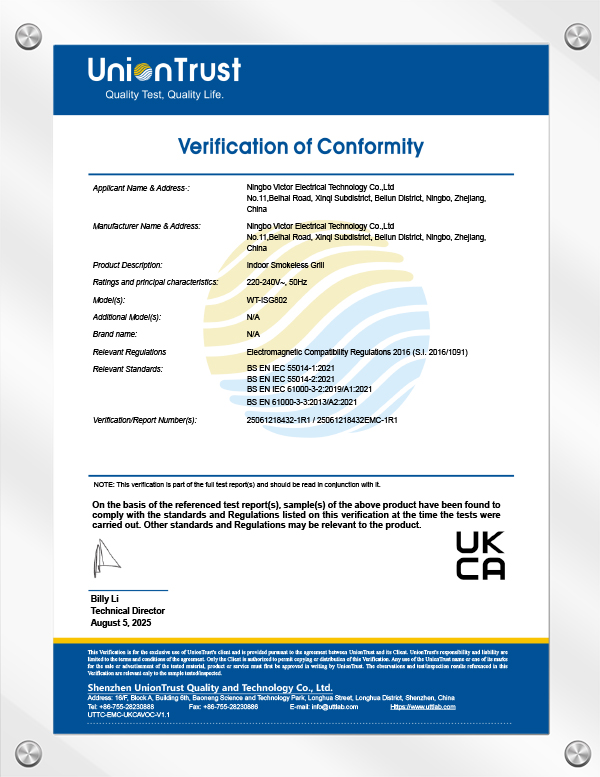
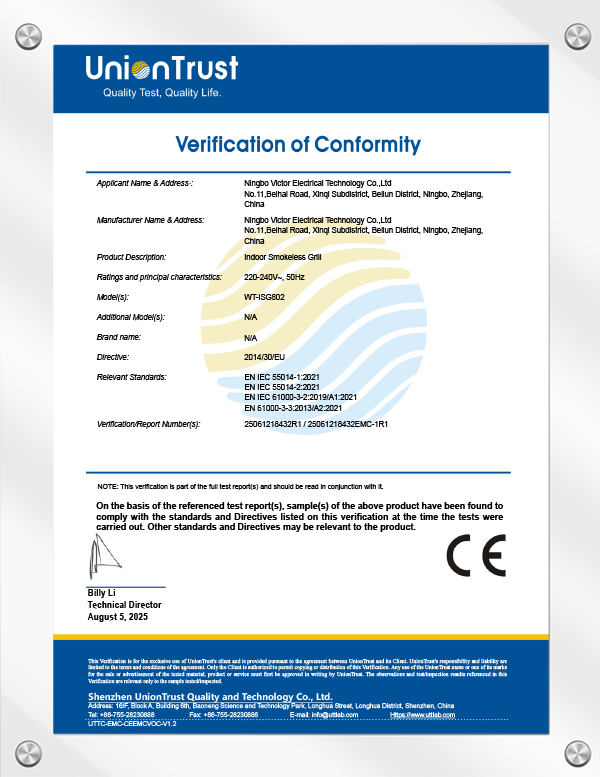
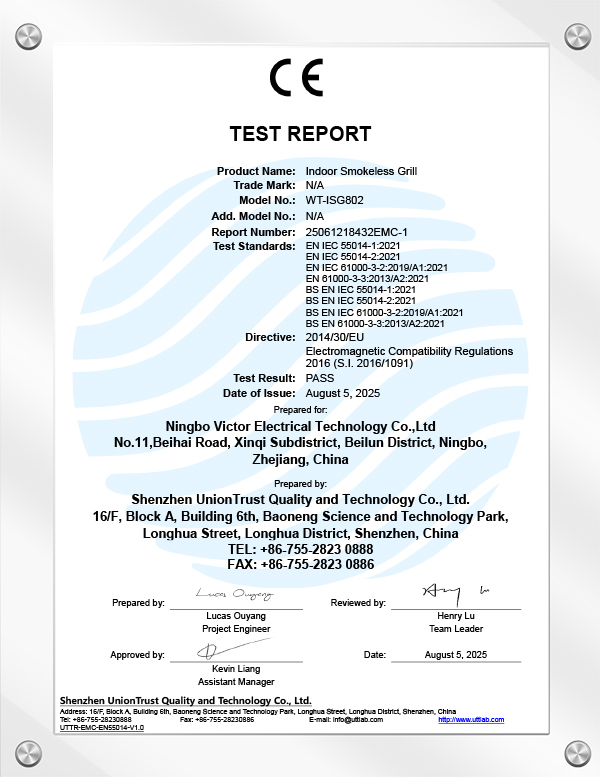
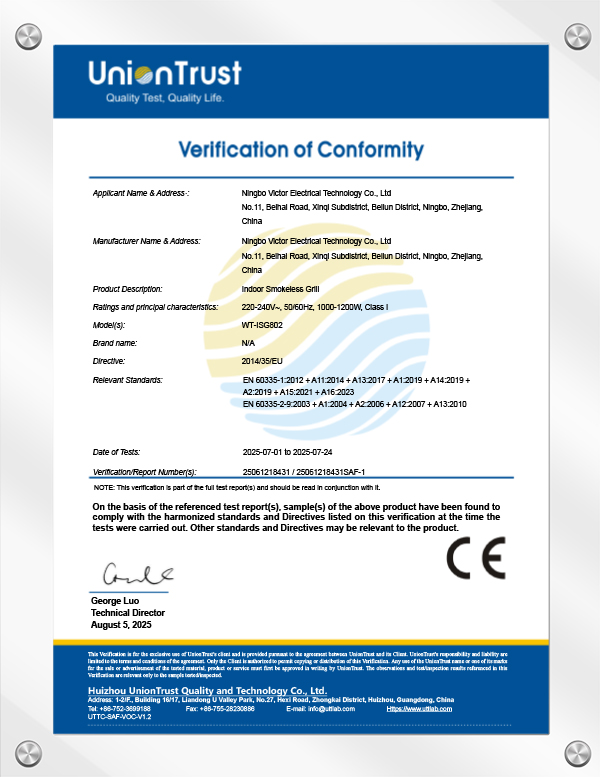
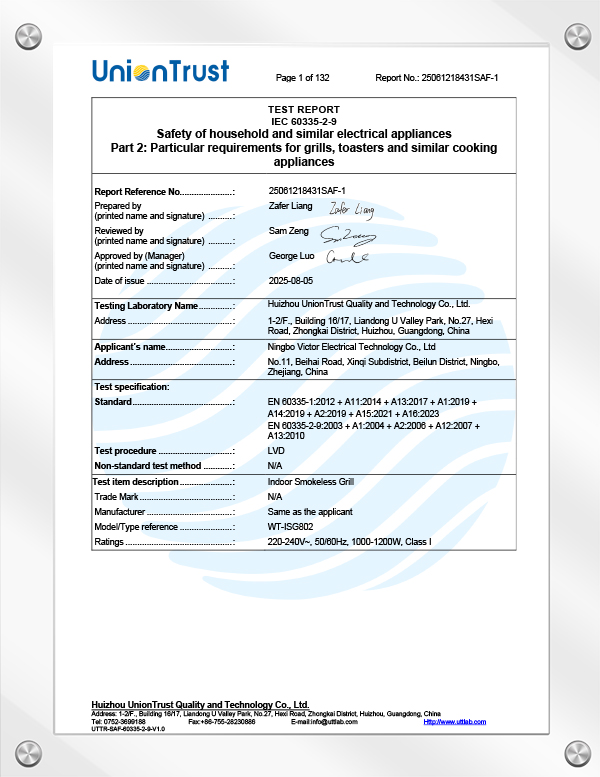
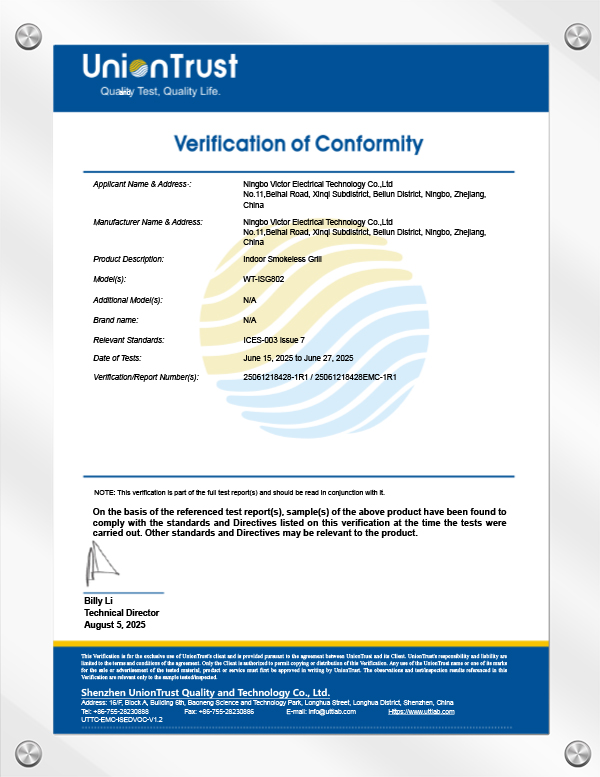
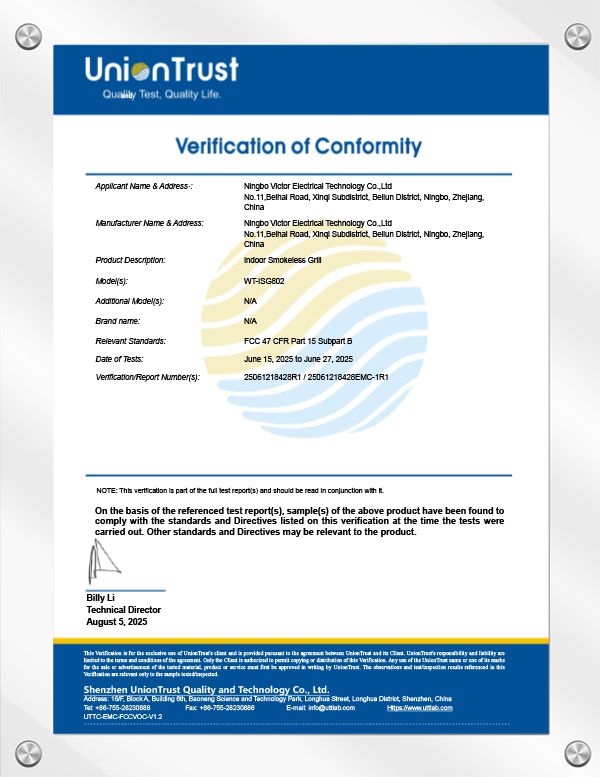
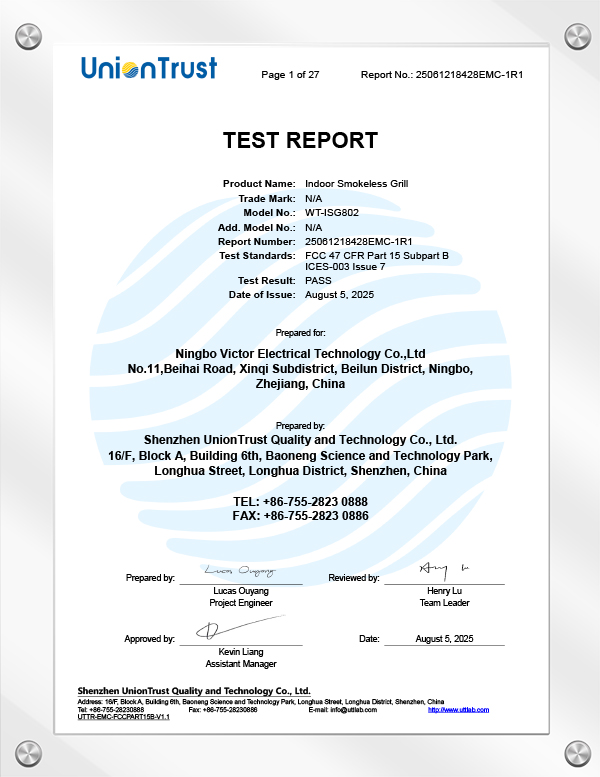
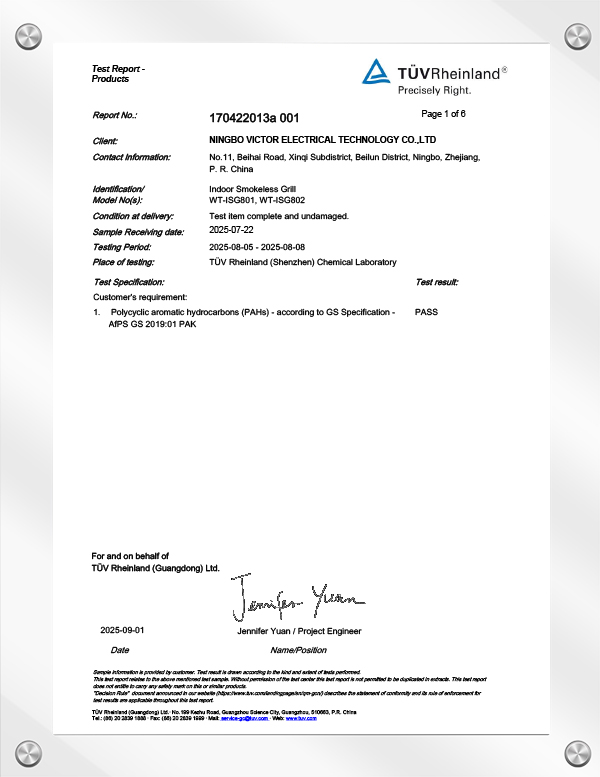
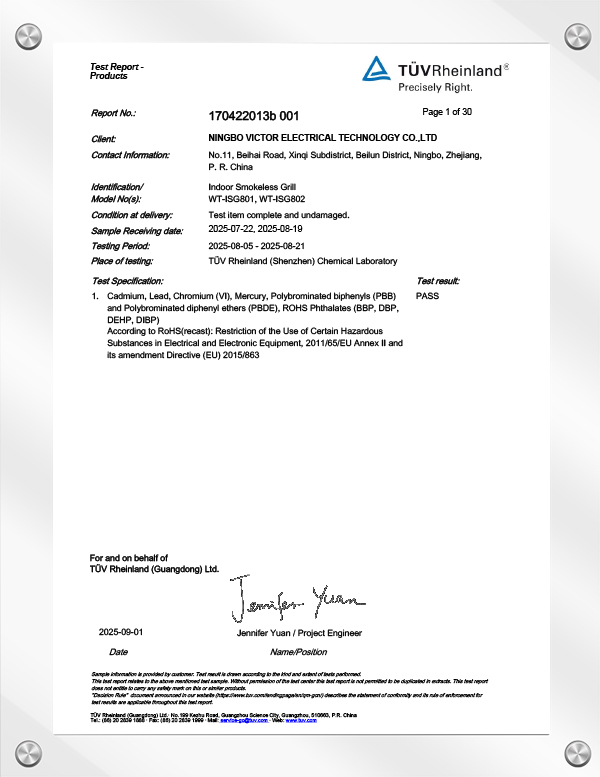
Appliance assembly follows a single-piece flow model with electronic work instructions and real-time defect recording. We use this data in process corrections rather than only at final inspection. A 200–300 m² in-house testing centre supports electrical safety, lifecycle, drop, pressure, heat resistance and glow-wire testing, and we work with certification requirements for the EU and US markets such as CE, GS and ETL evidence where the project requires it.
Typical control and integration points
- Temperature control: thermostat type, adjustable range and thermal cut-out set points.
- Heating plates: magnesium or aluminium alloy, surface treatment, thermal distribution target.
- Electrical interface: voltage, frequency, plug type and cable length by destination market.
- Mechanical structure: removable plates, hinge design, open/close life and cleaning access.
OEM/ODM Support
We carry projects from hand sketch to production-ready CAD, with DFM/DFA reviews completed before tooling. The ODM/OEM process runs through requirement collection, concept and DFM, prototyping and testing, mould making, mass production, QC and packaging, then delivery. For established appliance lines, this covers private-label colours, control panel changes, plug and voltage variants and packaging configuration. For component projects, it covers mould development and parts processing to drawing.
Manufacturing base: monthly production capacity of 50,000+ units, annual output of 600,000+ units, four production lines, and a testing centre equipped with life testers, glow-wire tester, salt spray tester, drop tester and constant temperature/humidity chamber. These figures describe our existing facility and support the production volumes we quote.
Information We Use to Configure Your Solution
A precise proposal depends on a few project inputs. We use these to select the model platform, define the component specification, confirm testing scope and prepare the quotation.
- Destination market and compliance target — plug standard, voltage, frequency and required certification route.
- Product family and volume — intended range, annual quantity and launch timing.
- Functional requirements — capacity, temperature range, steam output, brew volume or plate geometry.
- Material preference — magnesium alloy or aluminium die-cast elements, food-contact and coating requirements.
- Branding and packaging — logo placement, colour, outer carton and any drop-test specification.
- Acceptance scope — which tests or certificates must accompany each shipment.
Once these points are clear, we confirm the model route, sampling plan, tooling requirement and quality plan in writing before volume production.
Quality, Maintenance and Spare Parts
Quality control starts with raw material screening and continues through in-process recording to 100% final inspection. For multi-year appliance programmes, we keep wear-part specifications—thermostats, heating tubes, plates, seals and water tanks—so replacement parts can be sourced consistently. Removable grill plates, accessible water reservoirs and open-lid iron tanks support end-user cleaning, which reduces service returns in the field.
- Documentation: model drawing, control specification, packaging artwork and test report per shipment.
- Serviceability: defined wear components and modular plate or tank assemblies.
- Packaging and delivery: export cartons configured to the project's drop-test and label requirements.
Frequently Asked Questions
Which product families can we source from Ningbo Victor?
We supply irons and portable irons, grill pans and grilling products, waffle makers, glass air fryers, coffee machines, steamer pots, sandwich makers, magnesium alloy appliance parts and magnesium-aluminium mould and component processing. Each family can be supplied as a standard model or configured through our OEM/ODM process.
Do you produce the metal components in-house?
Yes. Semi-solid magnesium alloy injection molding, aluminium alloy die-casting and CNC finishing are carried out in our own workshops, and appliance assembly takes place in the same facility. This means the housing, heating plate and finished appliance can be engineered as one specification.
What testing is performed before shipment?
Products pass through a 200–300 m² in-house testing centre covering electrical safety, lifecycle, drop, pressure, heat resistance and glow-wire tests. Final inspection is carried out on every unit, and test reports can be included with the shipment according to the project's acceptance scope.
Can you support certification for EU and US markets?
We work with CE, GS and ETL requirements for the EU and US markets, and we review the destination-market standard at the concept stage so that electrical rating, plug type and safety components are specified before tooling. The certification scope is agreed per project.
How are custom colours, controls and packaging handled?
Customisation covers colour, control panel, temperature settings, plug and cable, product labelling and retail packaging. We review the drawing or reference sample, run a prototype and confirm the sampling result before production tooling is committed.
What information should be included with an initial enquiry?
Include the intended market, product family, annual volume, required functions, material preference, branding requirements and any acceptance or certification scope. With that information we can select the model platform, confirm tooling needs and prepare a configuration and quotation for review.



 中文简体
 English
 한국어
 日本語
 русский
 Español
 عربى