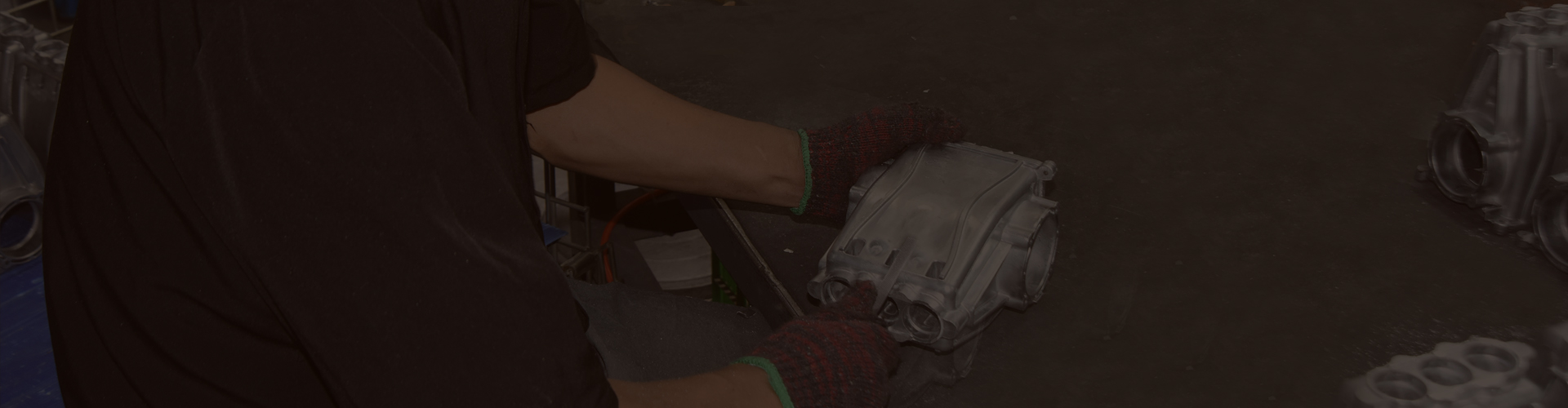
The core working principle of a waffle maker lies in the coordinated operation of its electric heating system and temperature control technology. After being powered on, the heating element inside the waffle maker rapidly heats up, evenly transferring heat to the upper and lower baking pans. This allows the batter poured into the molds to expand, set, and bake at a stable temperature, resulting in a crispy exterior, soft interior, and clearly defined waffle.
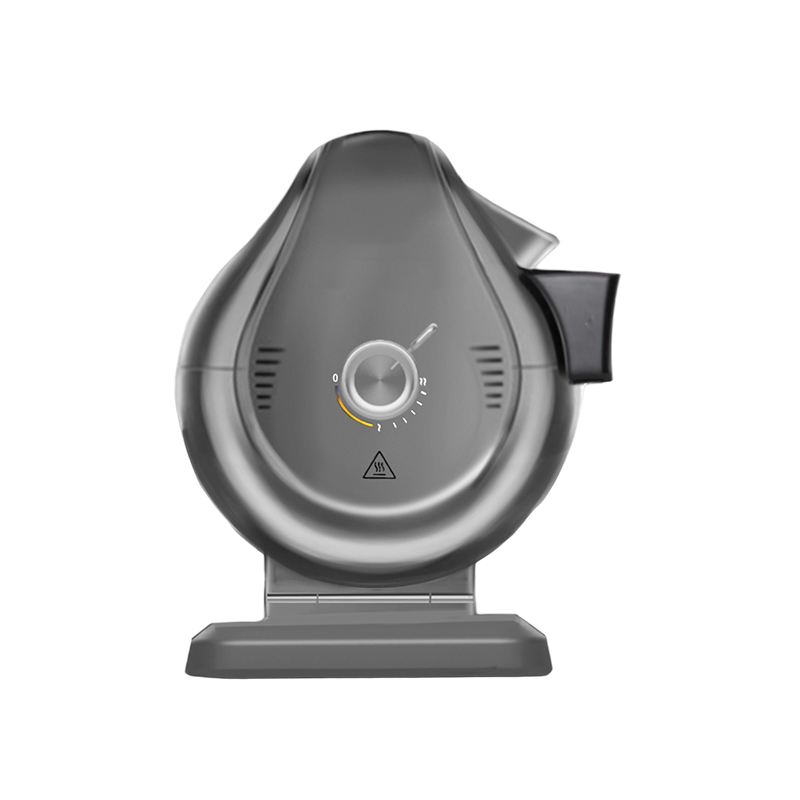
Core Structural Components of a Waffle Maker
To understand the working principle of a waffle maker, it's essential to understand its basic structure. Generally, a waffle maker consists of the following main parts:
Heating System
Contains built-in heating elements or wires; this is the core component that generates heat.
Upper and Lower Baking Pan Molds
Typically made of food-grade aluminum alloy and coated with a non-stick coating.
Temperature Control System
Used to precisely control the heating temperature of the waffle maker.
Outer Shell
Provides support, protection, and insulation.
These components work together to ensure the waffle maker operates safely, efficiently, and stably.
Heating and Heat Transfer Principles of Waffle Makers
When a waffle maker is powered on, electrical energy is converted into heat energy, and the heating element begins to heat continuously. The heat is conducted through the metal mold to the entire surface of the baking pan, ensuring the batter is heated simultaneously from both sides. Compared to single-sided heating devices, the double-sided heating design of waffle makers significantly improves baking efficiency, shortens preparation time, and ensures even browning of the waffles.
In this process, the appropriate mold thickness and material selection play a crucial role in the heat conduction performance of the waffle maker and the taste of the finished product.
The Role of the Temperature Control System in Waffle Makers
The temperature control system is a vital guarantee for stable output from waffle makers. Through a mechanical temperature controller or electronic temperature control module, the waffle maker can maintain the operating temperature within a set range. It automatically cuts off power when the upper limit is reached and resumes heating when the temperature drops, thus forming a cyclical temperature control.
Precise temperature control not only prevents waffles from burning but also improves the continuous working capacity of the waffle maker, making it particularly suitable for stable operation of commercial waffle makers in high-frequency usage scenarios.
The Impact of Non-stick Coating on Waffle Forming
The non-stick coating on the waffle maker's baking pan is crucial to its overall operation. A high-quality non-stick coating reduces grease usage, prevents waffles from sticking or breaking, and simplifies cleaning and maintenance.
In practical use, the quality of the non-stick coating directly impacts the waffle maker's output efficiency and lifespan.
Advantages of Waffle Maker Working Principles
Fast heating speed and high output efficiency
Even heating for aesthetically pleasing waffles
Controllable temperature and high product stability
Simple operation, suitable for various commercial scenarios
For these reasons, waffle makers are widely used in coffee shops, dessert shops, restaurant chains, and food processing facilities.
Understanding the working principles of waffle makers helps users make more informed decisions when purchasing and using them. A well-designed waffle maker with precise temperature control and even heating not only improves product quality but also significantly enhances operational efficiency. For businesses seeking consistent product quality and cost-effectiveness, choosing the right waffle machine is crucial.



 中文简体
中文简体 English
 한국어
한국어 日本語
日本語 русский
 Español
 عربى
عربى