


 中文简体
 English
 한국어
 日本語
 русский
 Español
 عربى
Industry News
Home / News / Industry News / Best Induction Cookware: A Buyer's Guide to Magnetic Bases and Sourcing

Nov 03, 2026
Content
Imagine a restaurant kitchen upgrading to induction cooktops. The chef orders a set of shiny, lightweight pans. They look premium. But on the first day of service, the pans barely heat. The problem is not the cooktop. It is the base of the cookware. Induction cooking relies on magnetic properties, and not every metal responds. This is why the best induction cookware is defined by what you cannot always see: the base construction.
In this guide, we will walk through the practical details that separate cookware that works on induction from cookware that merely looks good. We will cover materials, base design, sourcing considerations, and the questions B2B buyers should ask before placing an order. Whether you are a distributor, a retailer, or a brand manager, understanding these points will help you choose products that perform reliably in modern kitchens.
Induction cooktops generate a magnetic field that creates heat directly in the cookware. If the cookware base does not interact with that field, no heat is produced. This is a fundamental difference from gas or electric resistance cooking, where the heat source transfers energy through contact or radiation. With induction, the cookware itself must be part of the circuit.
Inside an induction cooktop, coils create a rapidly changing magnetic field. When a magnetic material is placed on the cooktop, the field induces eddy currents in the metal. These currents encounter resistance, which generates heat. The key word is magnetic. Materials like cast iron, carbon steel, and certain grades of stainless steel are magnetic. Aluminum, copper, and magnesium alloys are not magnetic in their pure form. They can still be used on induction, but only if a magnetic layer is added to the base.
This is why you sometimes see cookware advertised as “induction compatible” or “induction ready.” It usually means the manufacturer has bonded a magnetic stainless steel plate to the bottom of an aluminum or copper body. The cookware performs well because the magnetic base absorbs the energy and conducts heat into the rest of the pan.
It is also why a magnet test is the quickest way to check compatibility. If a magnet sticks firmly to the base, the cookware will likely heat. If it slides off, it will not. This simple test can save buyers from costly mistakes, especially when evaluating samples from new suppliers.
Magnetic permeability is a measure of how easily a material responds to a magnetic field. In practical terms, it determines how efficiently the cookware will heat. Cast iron and carbon steel have high permeability, so they heat quickly and evenly. Magnetic stainless steel also performs well, although its conductivity is lower than aluminum or copper. That is why many high-quality induction pans use a multi-layer construction: a magnetic stainless steel outer layer for induction, an aluminum core for heat distribution, and a stainless steel or non-stick cooking surface.
When sourcing cookware, you do not need to be a metallurgist, but you do need to understand that the base is the engine of the pan. A thick, flat base with a strong magnetic layer will outperform a thin base with inconsistent bonding. This is one of the most important factors in identifying the best induction cookware for your customers.
Three physical characteristics of the base affect performance: thickness, flatness, and diameter. Thickness matters because a thicker base spreads heat more evenly and resists warping. Flatness is critical because induction requires full contact with the cooktop surface. Even a slight warp can create hot spots or prevent the cookware from heating at all. Diameter should match the cooking zone; a base that is too small may not trigger the induction sensor, while a base that is too large can waste energy and cause uneven heating.
For B2B buyers, it is worth asking suppliers for base specifications. A common standard for induction cookware is a base thickness of at least 3 mm for stainless steel and 4 mm for multi-layer constructions. However, the best specification depends on the intended use. Commercial kitchens may need heavier bases for durability, while home cooks may prefer lighter weights for handling.
Another factor is the flatness tolerance. Some manufacturers specify a maximum deviation of 0.5 mm across the base. This ensures that the cookware sits flush on the cooktop and heats evenly. If you are sourcing large volumes, request a flatness test report or inspect samples with a straight edge.
When you evaluate the best induction cookware, the material of the body and base plays a decisive role. Some materials are naturally magnetic; others require a magnetic insert. Understanding these differences will help you assess product specifications and make informed sourcing decisions.
| Material | Naturally Magnetic? | Induction Compatible? | Typical Use | Notes |
|---|---|---|---|---|
| Cast Iron | Yes | Yes | Frying, searing, baking | Heavy, retains heat well, requires seasoning |
| Carbon Steel | Yes | Yes | Frying, woks, crepes | Lighter than cast iron, responsive, needs seasoning |
| Magnetic Stainless Steel (e.g., 430) | Yes | Yes | Bases, multi-layer cookware | Good corrosion resistance, lower thermal conductivity |
| Aluminum | No | Only with magnetic base | Lightweight pans, non-stick | Excellent heat distribution, requires clad base for induction |
| Copper | No | Only with magnetic base | High-end cookware | Superior thermal conductivity, expensive, needs magnetic layer |
| Magnesium Alloy | No | Only with magnetic base | Lightweight cookware, grill pans | Very light, good heat distribution, requires induction base |
The table above summarizes the basic compatibility of common materials. Notice that aluminum, copper, and magnesium alloy are not magnetic on their own. However, many manufacturers use these materials for the cookware body because they offer excellent heat distribution and lighter weight. The solution is to add a magnetic base, usually a layer of magnetic stainless steel, through cladding or bonding.
To make this clearer, the chart below provides an illustrative assessment of how each material performs when properly configured for induction. The scores are based on typical thermal performance, durability, and weight considerations. They are not absolute ratings, but they can help you compare options at a glance.
The chart is intended as a conversation starter, not a definitive ranking. Cast iron and carbon steel score high because they are inherently magnetic and offer strong heat retention. Magnetic stainless steel is also a solid choice, especially for multi-layer cookware. Aluminum, copper, and magnesium alloy score slightly lower only because they depend on a magnetic base; when that base is well made, they can perform very well. In fact, many premium induction pans use an aluminum core because it spreads heat more evenly than stainless steel.
For manufacturers like Victor Electric Appliance Technology Co., Ltd., magnesium-aluminum alloy processing is a core capability. This allows the company to produce lightweight cookware bodies that can be paired with magnetic bases for induction compatibility. For buyers, this means you can source cookware that combines the benefits of magnesium alloy—such as reduced weight and good thermal conductivity—with the required magnetic properties.
It is also worth noting that the quality of the magnetic base varies. A cheap base may be thin or poorly bonded, leading to hot spots and eventual delamination. A high-quality base is typically at least 1 mm thick and is integrated into the cookware through a cladding process that bonds the layers under high pressure and heat. When evaluating suppliers, ask for details about the base material and bonding method.
Beyond the base and material, several design features influence how well induction cookware performs in real kitchens. These features also affect customer satisfaction, return rates, and brand reputation. When sourcing, evaluate each feature against the intended market.
The bond between layers is critical. A poorly bonded base can delaminate over time, especially under rapid heating and cooling. Look for cookware that uses clad construction or a solid magnetic base rather than a sprayed-on coating. Ask suppliers about their bonding process and whether they perform adhesion tests. A simple field test is to heat the pan and then cool it quickly; if the base shows separation, the bond is weak.
Another consideration is the edge of the base. A sharp or unfinished edge can scratch the cooktop. High-quality cookware has a smoothly finished base edge that sits flat without sharp corners.
Induction cookware often gets hot quickly, and the handle can become uncomfortable if not properly insulated. Look for handles made from heat-resistant materials such as phenolic resin or silicone-wrapped metal. The handle should be securely attached, preferably with rivets or a welded joint. For commercial use, consider handles that stay cool longer and can withstand frequent washing.
Also check the handle's shape and grip. A comfortable handle reduces strain, especially when lifting a heavy pan. For home cooks, ergonomic designs are a plus. For commercial kitchens, durability and ease of cleaning are more important.
Many induction pans come with a non-stick coating. The quality of the coating affects durability and ease of cleaning. For B2B buyers, ask about the number of coating layers, the type of coating (e.g., PTFE or ceramic), and whether it is PFOA-free. Ceramic coatings are popular for their heat resistance, but they may have a shorter lifespan than PTFE. Consider the target market: home cooks may prefer easy release, while professional chefs may prioritize durability.
It is also important to check the coating's adhesion. A poor coating can peel or blister after a few uses. Ask for test reports on coating adhesion and abrasion resistance. If you are sourcing a large order, request samples and test them under realistic conditions.
Cookware sets are a common purchase for home cooks. When sourcing sets, check that every piece is induction compatible. Some sets include a mix of induction and non-induction pieces, which can confuse customers. Also consider the sizes and shapes that are most popular in your market. A typical set might include a frying pan, saucepan, sauté pan, and stockpot. For commercial buyers, open-stock pieces may be more practical.
Think about the packaging and labeling. Clear labeling of induction compatibility helps customers make the right choice and reduces returns. If you are creating a private-label set, ensure the packaging communicates the key features: magnetic base, even heating, and compatibility with all cooktops.
Induction cookware can be heavy, especially cast iron and multi-layer stainless steel. Weight affects handling, especially for older users or those with limited strength. Magnesium alloy offers a lighter alternative, but it still needs a magnetic base. Test the balance of the pan: it should feel comfortable when lifted and should sit flat on the cooktop without wobbling.
For buyers, consider the weight of the entire set. A set that is too heavy may be less appealing to certain customer segments. On the other hand, a very light pan may feel flimsy. The right balance depends on the intended use and target audience.
For distributors, retailers, and brand owners, sourcing the best induction cookware requires more than comparing specifications. You need a supplier who understands induction technology, can control quality, and can deliver on time. This section covers the key questions to ask and how to evaluate potential partners.
Start by understanding the manufacturer's core capabilities. Do they produce cookware from raw materials, or do they assemble components? A manufacturer with in-house alloy processing, like Victor Electric Appliance Technology Co., Ltd., can often provide greater flexibility in base design and material selection. The company's expertise in magnesium-aluminum alloy processing, for example, allows them to produce lightweight cookware bodies that can be paired with magnetic bases. This is particularly useful for buyers looking to differentiate their product line with lighter, more energy-efficient cookware.
When evaluating a supplier, ask for examples of induction-compatible products they have produced. Request technical drawings or specifications for the base construction. A supplier who can explain the magnetic properties of their materials and the bonding process is more likely to deliver consistent quality. Also ask about their production capacity and whether they have experience with your target market. A supplier who understands the regulatory requirements of your region can save you time and avoid compliance issues.
Induction cookware sold in different markets may need to meet specific standards. For example, food-contact materials in the EU must comply with LFGB, while the US market often requires FDA-compliant materials. Ask for test reports for coating safety, heavy metal migration, and thermal shock resistance. Also inquire about induction performance testing: does the supplier test heating speed, temperature uniformity, and base adhesion? A reputable manufacturer will have documented test procedures and can provide samples for your own testing.
Do not rely solely on certificates. Test samples yourself using a magnet and a simple heating test. Place the pan on an induction cooktop with a small amount of water and observe how quickly and evenly it heats. Check for hot spots and listen for any buzzing or rattling noises. These practical tests can reveal issues that certificates may not cover.
MOQ and lead times vary widely. Some manufacturers require high MOQs for custom base construction, while others offer lower thresholds for standard models. Discuss your volume projections and ask for a production schedule. A typical lead time for cookware production is 30 to 60 days, depending on complexity and order size. If you need custom packaging or branding, add additional time. Always confirm the lead time in writing and build in a buffer for quality inspections.
Consider the total cost of ownership. A lower price per unit may come with higher defect rates or shorter product life. Ask about the warranty and the supplier's policy for defective units. A reliable supplier will stand behind their products and work with you to resolve issues.
Many B2B buyers want customized cookware with their own branding. This can include logo printing, custom handle colors, and unique packaging. Ask the supplier about their customization capabilities and any additional costs. For induction cookware, be careful with modifications that could affect the base or coating. For example, changing the base thickness or material may require re-testing for induction performance. Work with the supplier's engineering team to ensure that customizations do not compromise safety or functionality.
Victor Electric Appliance Technology Co., Ltd. offers ODM/OEM services and has experience in product development. Their magnesium alloy series includes a 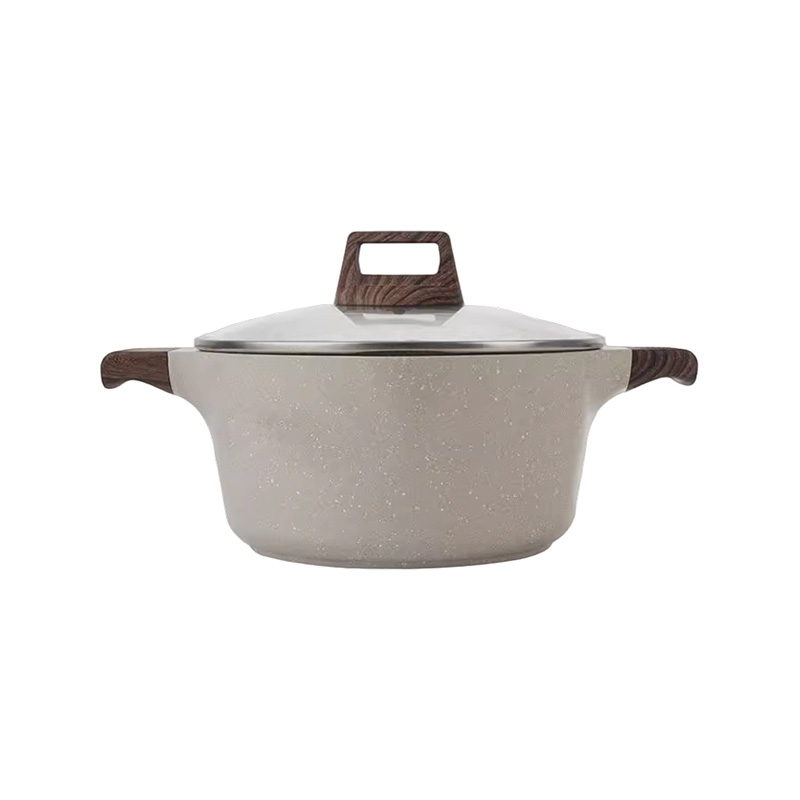 Magnesium Alloy Pot for Induction and Open-Flame CookingReview its 260 mm diameter, 2.2 kg build, induction and open-flame use, and ceramic coating when sourcing.View Product → and a
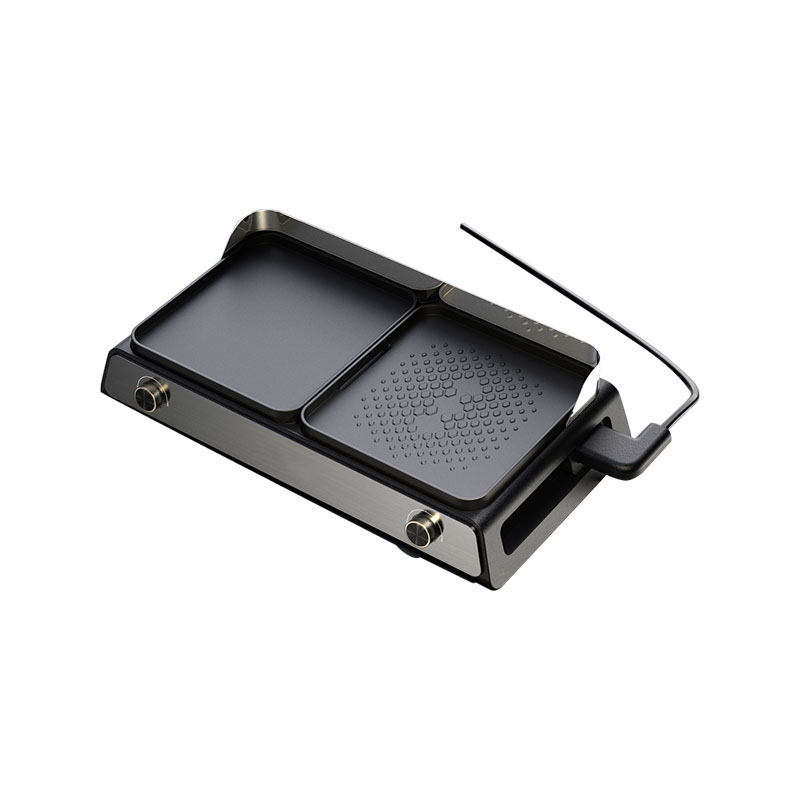 Magnesium Alloy Grill Pan with Dual-Zone Temperature ControlView its 1800 W dual-zone system, 160×160 mm plates, and safety cut-offs when evaluating OEM cookware options.View Product → that can be specified with induction-compatible bases. These products are examples of how alloy processing can be applied to cookware. For buyers, this means you can source a product that is both lightweight and suitable for induction, provided the base is correctly engineered.
Quality control is essential for cookware because defects often appear after use. Ask about the supplier's QC process: do they inspect base flatness, coating thickness, and handle attachment? Do they perform drop tests and thermal cycle tests? A good supplier will have a documented QC plan and can share inspection reports. Also discuss after-sales support. What happens if a batch fails induction testing? A reliable supplier will offer replacements or refunds according to the contract. Clarify the warranty terms and the process for handling claims.
It is also wise to visit the factory or arrange a third-party audit. Seeing the production line and talking to the quality team can give you confidence in the supplier's capabilities. If a visit is not possible, ask for a video tour and references from other customers.
Even experienced buyers can overlook details that affect performance. Here are some of the most common mistakes and how to avoid them.
These mistakes can lead to customer complaints, returns, and damage to your brand. A careful review of specifications and samples will help you avoid them. Always test samples under conditions that simulate real use, including rapid heating and cooling, washing, and handling.
Another common mistake is failing to consider the cooktop's power settings. Some induction cooktops have boost modes that can overheat thin-based cookware. If you are sourcing for markets where high-power induction is common, specify a base that can handle rapid temperature changes without warping.
The simplest test is to use a magnet. If a magnet sticks firmly to the base, the cookware is likely induction compatible. You can also check the packaging or product description for an “induction compatible” label. However, be aware that some manufacturers use misleading language. Always confirm with a physical test or ask for a test report.
Pure aluminum and magnesium alloy are not magnetic, so they will not heat on an induction cooktop on their own. However, manufacturers can add a magnetic base, usually a layer of magnetic stainless steel, to make them induction compatible. When properly constructed, these cookware pieces can perform very well and offer benefits such as lighter weight and even heat distribution.
There is no single best material. Cast iron and carbon steel are excellent for searing and heat retention. Magnetic stainless steel is durable and easy to maintain. Multi-layer constructions with an aluminum or copper core offer even heating. Magnesium alloy with a magnetic base provides a lightweight option. The best choice depends on the cooking style, target customer, and budget.
A base thickness of at least 3 mm is common for stainless steel, while multi-layer constructions may be 4 mm or more. Thicker bases generally provide better heat distribution and resist warping, but they also add weight. For commercial use, heavier bases are often preferred. Always confirm the base thickness with the supplier and test samples for performance.
Yes, you need cookware with a magnetic base. Many modern cookware sets are induction compatible, but older or inexpensive sets may not be. If you are upgrading to induction, check your existing cookware with a magnet. Any piece that does not attract a magnet will not work.
Care instructions depend on the material and coating. Generally, avoid overheating empty pans, use medium heat for most cooking, and clean with non-abrasive sponges. For cast iron, season regularly. For non-stick coatings, avoid metal utensils. Always follow the manufacturer's recommendations to prolong the life of the cookware.
Most induction-compatible cookware can also be used on gas and electric cooktops, as long as the base is flat and the material is suitable. However, some lightweight cookware with thin bases may not perform well on gas due to hot spots. Check the manufacturer's recommendations for multi-cooktop compatibility.
Look for a supplier with demonstrated experience in induction cookware, in-house testing capabilities, and clear documentation. Ask for samples, test reports, and references. A supplier with alloy processing capabilities, like Victor Electric Appliance Technology Co., Ltd., can offer greater flexibility in base design and material selection. Also consider MOQ, lead times, and after-sales support.
Buzzing or rattling can occur when the base is not perfectly flat or when the layers are not tightly bonded. It can also be caused by the cooktop's cooling fan. If the noise is excessive, check the base for warping and ensure it sits flat on the cooktop. A high-quality pan with a solid base should produce minimal noise.
Consider the typical cooking zone sizes in your target market. A common range is 18 cm to 28 cm in diameter. Larger pans are suitable for family meals, while smaller pans are better for single servings. Also think about the most popular dishes in the region. For example, woks are popular in Asian markets, while sauté pans are common in Western kitchens.
To learn more about our manufacturing capabilities and product range, explore the following pages:
For specific inquiries about induction-compatible cookware or custom manufacturing, please contact our team. We work with global buyers to develop products that meet market demands and regulatory standards.
Follow our social media to learn more about our updates


+86-13805815092

No. 11 Beihai Road, Xinqi Street, Beilun District, Ningbo City, Zhejiang Province, China
